Buying a home in France is one of the most exciting decisions of a relocation, and one of the most misunderstood. Many buyers arrive with a clear idea of what a home should look like, feel like, and function like, and then spend the first few months discovering that French properties operate on a different set of assumptions. None of these differences are bad. Most of them are charming. But knowing what to expect before you start viewing means you can focus on the property rather than the surprises.
Here are five things that genuinely distinguish French homes from what most Americans and Brits are used to.
Table of contents
Tiles instead of carpet and rarely much else
Carpet is genuinely rare in French homes. In the UK and the US, carpet is a default in bedrooms and living rooms; in France, it is almost an afterthought. Tiles are the dominant floor covering, particularly in the south where the climate makes cool underfoot surfaces sensible for most of the year. Older Parisian apartments often have original parquet (hardwood) flooring, which is beautiful but not a standard expectation outside the capital.
What this means practically: if you are used to the warmth and softness of carpeted rooms, you may find some French properties feel harder and cooler underfoot, particularly in winter. Many expat buyers end up adding rugs, underfloor heating, or both. It is also worth noting that unfurnished properties in France are often truly unfurnished, including light fittings, which are frequently removed by departing tenants. The floors, the walls, and the bones of the property are what you are buying. Everything else may be negotiated separately.
Check the condition of tiling carefully, particularly in bathrooms and kitchens. Replacing or relaying tiles is not cheap, and cracks or uneven surfaces can indicate structural movement beneath.
Volets (shutters): A French home essential
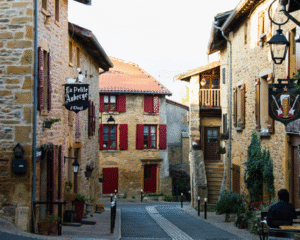
No feature is more distinctively French than the volets, the wooden or metal shutters fitted to the exterior of almost every window. Walk through any French village in the early morning and you will hear them: the rhythmic clatter of shutters being opened signals the start of the day, as reliably as birdsong. They close again in the evening, and in some regions during the heat of the afternoon.
Volets are not merely decorative. They serve several genuinely practical purposes. Closed volets significantly reduce heat loss in winter, which matters in older, less-insulated properties. In summer they block solar heat gain, keeping rooms considerably cooler than curtains alone could manage. They also provide a meaningful level of security, a properly closed set of volets on a ground-floor window is a serious barrier compared to glass alone. And they reduce noise, which in village settings where church bells ring and market traffic passes early, is not a trivial benefit.
Check whether the volets close properly and whether the espagnolettes (the closing mechanisms) are in working order. Wooden volets require periodic painting and maintenance; the condition of the shutters is often a good indicator of how well the property has been generally looked after.
A note on insulation and energy ratings
Older French homes were built for a different climate reality than we live in today, and many are not well insulated by modern standards. The DPE (Diagnostic de Performance Énergétique, the French energy performance certificate) must be provided before any property sale. A property rated F or G will be more expensive to heat and, from 2025, properties at these ratings in zones tendues cannot have their rent raised, relevant if you ever plan to let the property. Factor the DPE into your assessment of a property’s true cost, not just its sale price.
The toilet and bathroom are often separate rooms
In the majority of French homes, particularly older houses and apartments, the toilet (WC) is in its own separate room, distinct from the bathroom. This is not a quirk or a compromise; it is how French domestic architecture has traditionally been arranged, and it reflects a practical logic: one person can shower while another uses the toilet, without anyone being inconvenienced.
Once you have lived with this arrangement, it can be difficult to go back. Buyers coming from the US or UK, where the combined bathroom is the overwhelming norm, sometimes worry about the separate WC when viewing properties. In practice, almost everyone who lives in France for any period of time comes to find it considerably more sensible than sharing a room. In larger properties, there may be multiple WC, sometimes with a small handbasin included. In rental listings, a separate WC is specifically mentioned as a feature because it is considered desirable, not unusual.
Check whether the WC has adequate ventilation, which is a legal requirement. In older apartments, the WC is occasionally located off a corridor or landing rather than within the apartment itself, worth confirming when viewing a flat advertised with a separate toilet.
The bidet: still present in older homes, increasingly fashionable again
If you are buying an older French house, there is a reasonable chance you will find a bidet in at least one bathroom. The bidet was a staple of French domestic life for most of the twentieth century, gradually fell out of fashion in new builds from the 1980s onwards, and is now experiencing something of an international resurgence. Japan and South Korea never abandoned it; newer European buildings are beginning to include it again.
Many people who arrive in France uncertain about the bidet leave as enthusiastic converts. The practical case for it is simple: it is more hygienic, more comfortable, and more environmentally responsible than paper alone. If you are buying an older property and the bidet is there, it is worth pausing before removing it, not only because it may prove more useful than expected, but because reinstating plumbing fixtures that have been removed is an unnecessary expense if you change your mind.
Check that the bidet's plumbing is in good working order. If it has not been used for some time, seals may need replacing. This is a minor consideration, but it is worth noting alongside the general condition of the bathroom.
On unfurnished properties: what you really get
French unfurnished properties are significantly more bare than the equivalent in the UK or US. It is not unusual to find that the outgoing owner has removed light fittings, kitchen appliances, curtain rails, and even internal door handles. This is legal and common. Before you exchange, make sure the sale contract is clear about what is included in the sale and what is not. Your notaire will help with this, but it is worth asking directly during the viewing so you can negotiate accordingly.
Regional architecture varies more than you might expect
France is a large country with remarkable regional diversity, and nowhere is this more visible than in its architecture. The property you picture when you think “French house” almost certainly reflects one specific region. But the country offers something completely different in each area, and understanding these regional styles, and what they mean practically in terms of construction, maintenance, and climate performance, is part of making a genuinely informed purchase decision.
🏔️ Alpine regions
Traditional chalets with deep eaves, heavy timber construction, and a distinct mountain aesthetic suited to the climate.
🌝 Brittany and Normandy
The longère, a long, low stone farmhouse in granite or schist. Beautiful but can be cool without adequate insulation.
🏠 Alsace and the northeast
The iconic maison à colombages, half-timbered houses with colourful plasterwork. Protected buildings require care with renovation.
☀️ Provence and the south
Mas and bastides, thick stone walls for summer cool, small south-facing windows, oriented against the mistral.
🍷 Dordogne and Nouvelle-Aquitaine
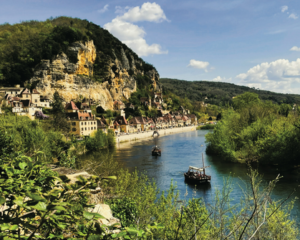
Golden limestone farmhouses and chartreuses with high character. Sought-after by both British and American buyers.
🏠 Loire Valley and the west
Elegant tuffeau stone, the same cream limestone that built the châteaux, giving regional homes a refined appearance.
What matters practically is that each regional style comes with different considerations for renovation, heating, maintenance, and resale. A Breton longère and a Provençal mas require very different approaches to insulation. A listed half-timbered house in Alsace will have renovation constraints that a modern apartment in Lyon does not. Understanding the regional context of any property you are serious about is worth investing time in.
Ask whether any part of the property is listed (classé or inscrit as a monument historique) or sits within a protected zone. This affects what you can alter, what you must maintain, and sometimes what financial support is available for restoration.
On older properties and what to expect
France has an extraordinary stock of character properties, stone farmhouses, former mills, historic village houses, and rural estates, many of which have been on the market because they need work. This is not something to be afraid of, but it is something to go into with clear eyes. Renovation costs in France can be significant, especially if the property has structural issues, asbestos (present in many buildings from before 1997), or outdated electrical and plumbing systems. The mandatory diagnostic reports provided before any sale exist precisely to give you this information before you commit. Read them before the notaire, not after.
FAQs: Buying a property in France
Planning a move to France or just thinking about it?
Book a free 15-minute consultation to discuss your move and the support available from Ibanista. 👉 Schedule your call here
Not ready for a call? No problem. Explore our free resources to learn at your own pace:
📚 Browse the blog for expert tips
🎧 Listen to our podcast for real stories and insights
Wherever you are in your France journey, we’re here to help.