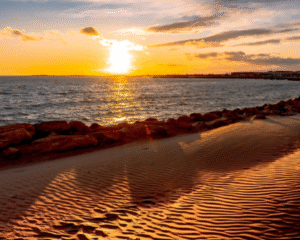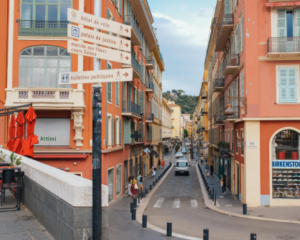
Southwest France has become one of the most talked-about destinations for expats, particularly those looking for space, lifestyle, and a slower pace of life. From the coastline around Biarritz to the countryside of Occitanie, the region offers a compelling mix of sunshine, food culture, and relative affordability compared to other parts of France.
But here’s the reality: many people get the move wrong, not because they chose the wrong region, but because they approached the decision in the wrong way.
They optimise for the idea of Southwest France, rather than the mechanics of living there. And that’s where friction begins.
If you’re considering a move, understanding these common mistakes early can save you a lot of time, money, and unnecessary course-correcting later.
Table of Contents

Choosing location first instead of lifestyle mechanics
This is the most common mistake, and it sits underneath almost every other issue. People choose a place, not a way of living.
They fall in love with:
- A village they visited once
- A photo they saw online
- A general idea of “Southwest France”
But they haven’t broken down what their weekly life will actually look like once the novelty wears off.
What lifestyle mechanics actually mean
Before choosing a location, you need to understand:
- How often you’ll need access to healthcare
- Whether you’ll be driving daily
- What your social life will realistically look like
- How often you’ll travel internationally
- Whether you need year-round activity or seasonal energy
Southwest France can support very different lifestyles, but not every location supports every lifestyle equally well.
If you choose the location first and try to force your life into it, you’ll feel the mismatch quickly. If you define your lifestyle first, the right locations become much clearer.
Treating the coast as a neutral testing ground
A lot of expats use the coast as a kind of “safe entry point” into France. On paper, it makes sense.
The coast feels:
- More international
- More dynamic
- More familiar
- Easier to “test” before committing
But in reality, coastal areas in Southwest France are not neutral environments. They are highly specific, seasonal ecosystems.
Why the coast can distort your expectations
Coastal towns often operate on two very different rhythms:
- High season (spring/summer): Busy, vibrant, social
- Low season (autumn/winter): Quiet, sometimes very quiet
This creates a distorted first impression.
If you arrive in summer, you may assume that energy is permanent. It isn’t. If you arrive in winter, you may underestimate how alive the region becomes later.
What to think about instead
Before choosing the coast as your base, consider:
- Are you comfortable with seasonal fluctuations in activity?
- Does your lifestyle depend on year-round services and community?
- Are you drawn to the coast for lifestyle… or just for familiarity?
Southwest France inland often provides a more consistent, grounded experience, even if it feels less immediately “exciting.”
> You might like: Why are Americans moving to Occitanie?
Over-trusting the TGV
Another common assumption is that high-speed rail solves distance.
People look at a map, see a TGV line, and assume: “I can live here and still access everything easily.”
Technically, that’s true, but practically, it’s more complicated.
The reality of transport in Southwest France
The TGV is excellent, but it doesn’t remove the importance of:
- Your local station access
- The frequency of trains from your area
- The time it takes to actually reach the station
- The cost and practicality of regular travel
Living “near” a TGV line is not the same as living well-connected to it.
What to consider before relying on it
Ask yourself:
- How often will you realistically use the train?
- How easy is it to get from your home to the station?
- Are you comfortable structuring your schedule around train times?
For many people, the TGV becomes a nice option rather than a core part of daily life. And that changes how location should be evaluated.
Underestimating resale timing
One of the less discussed aspects of moving to Southwest France is resale liquidity.
Many buyers focus entirely on price, charm and renovation potential. But they don’t think enough about how easy it will be to sell later.
Why resale matters more than you think
Even if you plan to stay long-term, life evolves and plans change. And when they do, the ability to sell your property efficiently becomes critical.
In Southwest France, resale timelines can vary significantly depending on:
- Micro-location
- Property type
- Year-round demand
- Accessibility
Common resale mistakes
- Buying in hyper-seasonal locations with limited off-season demand
- Choosing properties that appeal to a very narrow buyer profile
- Over-renovating in areas where the market doesn’t support it
What to prioritise instead
A beautiful property is not always a liquid property. And liquidity is often what determines whether a move feels successful five years later.
Ignoring weekly structure differences
This is one of the more subtle but important adjustments. Life in Southwest France doesn’t just look different, it moves differently.
The rhythm of everyday life
Many expats underestimate how different the weekly structure can feel.
For example:
- Shops may close for long lunch breaks
- Sundays are often very quiet
- Administrative processes move at a different pace
- Social life can be more planned and localised
This isn’t a problem, but it is a shift.
Why this matters for your move
If your expectations are built around constant availability, immediate responsiveness and high-density convenience, then the adjustment can feel frustrating at first.
But if you understand the rhythm beforehand, it becomes part of the appeal rather than a source of friction.
Questions to ask yourself
- Do you enjoy a slower, more structured pace?
- Are you comfortable planning ahead for everyday tasks?
- Does your work or lifestyle require constant flexibility?
Your answers to these questions should influence where and how you choose to live.
The bigger picture: It’s not about the region
Southwest France is not one place. It’s a collection of very different micro-lifestyles, from coastal energy to rural calm to small city balance.
If you want a clearer breakdown of how the region fits into the wider French landscape, our free regional guides are a good place to start:
The mistake most people make is assuming that choosing the region solves the decision. It doesn’t.
Final notes
Moving to Southwest France can absolutely work. In fact, for the right profile, it can be one of the most rewarding places to build a life in France.
But the success of the move rarely comes down to choosing the “right place” on a map. It comes down to:
- Understanding your daily life mechanics
- Being honest about your expectations
- Thinking beyond the first six months
The people who feel settled and calm a few years in are not the ones who chased the most beautiful location. They’re the ones who chose a place that works quietly, consistently, and sustainably for the life they actually live.
Planning a move to France or just thinking about it?
Book a free 15-minute consultation to discuss your move and the support available from Ibanista. 👉 Schedule your call here
Not ready for a call? No problem. Explore our free resources to learn at your own pace:
📚 Browse the blog for expert tips
🎧 Listen to our podcast for real stories and insights
Wherever you are in your France journey, we’re here to help.