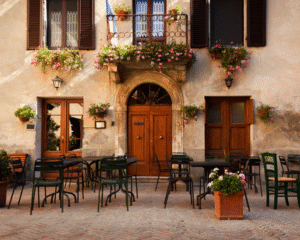
For many people considering living in France, the dream starts in a familiar place: vineyards, open-air markets, long lunches, and the promise of a slower, more intentional way of life. And to be clear, those things absolutely exist.
But if you speak to people who have actually moved to France, particularly retirees, remote workers, and financially independent expats, the reality is a little more nuanced. France offers extraordinary long-term quality of life, but it also asks something in return: patience, structure, and a willingness to work within its systems.
At Ibanista, we work with people navigating relocation every day. Over time, a clear pattern emerges. France tends to work beautifully for people whose expectations align with how the country actually functions. When expectations are mismatched, frustration follows.
So rather than presenting a romantic or overly negative view, this article shares the real pros and cons of living in France based on what we see consistently with clients.
Table of Contents

What France does exceptionally well
France is not a country designed for speed or disruption. It is a country built around long-term stability and everyday quality of life. And for the right people, that creates something incredibly valuable.
Stability and long-term quality of life
One of the first things many expats notice after settling in France is a sense of structural stability. Things do not move quickly here. But they do tend to move predictably.
Public systems, from healthcare to infrastructure to housing regulations, are designed to support everyday life over decades, not quarterly performance metrics. This creates a level of consistency that many people find deeply reassuring after leaving faster, more volatile environments.
Our clients often discover benefits they hadn’t fully appreciated before moving, including:
- Reliable healthcare access once integrated into the system
- Strong tenant protections within the rental market
- Infrastructure designed around daily life rather than long commutes
- Towns and neighbourhoods built for living, not constant mobility
For retirees and remote workers in particular, this environment can create a powerful sense of security. France rarely feels chaotic, and for people leaving high-pressure professional environments, that stability becomes one of the biggest lifestyle upgrades.
A culture that protects personal time
France has a very different relationship with time than many other countries.
Shops close. Lunches stretch. August slows the country down almost entirely.
At first, this can feel inefficient. Many newcomers arrive expecting systems to operate with the same constant accessibility they are used to elsewhere. But over time, many expats realise something important: French life is not organised around productivity.
It is organised around quality of life. People protect their evenings. Weekends remain personal time. Long meals are normal. Vacations are taken seriously.
For many people who move to France hoping to rebalance their lives, this cultural rhythm is not just charming, it becomes transformative.
Healthcare that reduces background anxiety
Healthcare is one of the most consistently positive changes our clients describe after moving to France. Once integrated into the French healthcare system, access tends to be structured, reliable, and far more affordable than what many expats previously experienced.
This does not mean the system is perfect. Administrative steps are involved, and initial registration can take time. But once the process is complete, many people find that a persistent background stress, particularly around medical costs, disappears.
Healthcare becomes something predictable rather than something financially frightening.
That shift alone changes how people experience everyday life.
A country that rewards thoughtful decisions
France is not built for impulsive decisions. But it rewards careful planning.
This becomes especially clear in areas we work in every day:
- Buying property in France
- Securing long-term rentals
- Financial planning across borders
- Administrative integration
People who try to move quickly often feel friction. The system expects documentation, preparation, and structure. But the clients who take time to understand how things work usually end up deeply satisfied with their move.
France rewards patience more than speed.
Where expats often struggle in France
None of this means France is easy to navigate initially. In fact, many expats encounter challenges during their first year that they didn’t anticipate.
Understanding these friction points early can make the transition much smoother.
The system expects you to understand it
One of the biggest surprises for newcomers is that France rarely explains itself step-by-step.
Whether you are:
- Renting a property
- Opening a bank account
- Setting up healthcare
- Transferring large sums of money
…the system often assumes you already know how it works.
For someone arriving from abroad, that assumption can quickly turn into confusion.
Many relocation frustrations don’t happen because France is impossible to navigate. They happen because no one explained the rules clearly.
This is why structured guidance during the relocation process can make such a difference. Once you understand how the system operates, it becomes far easier to move within it.
Renting can be surprisingly harder than buying
This is one of the most common surprises for expats moving to France.
In many countries, the logic is simple:
- Renting is easy
- Buying is complicated
In France, it can feel reversed.
Landlords typically require detailed rental dossiers that include proof of income, documentation of financial stability, and often a guarantor. Many agencies also follow strict income thresholds.
For expats arriving without French employment contracts, this step can feel like hitting an unexpected wall. Even financially secure retirees or remote workers sometimes struggle to meet the standard documentation expectations.
Planning your rental strategy early is one of the most important steps in a smooth relocation.
Things often take longer than expected
France operates on what could best be described as institutional patience. Administrative processes are rarely rushed.
Examples we see frequently include:
- Paperwork that moves slowly between departments
- Property purchases that take several months to complete
- Administrative requests that require follow-ups
For people coming from very fast bureaucratic systems, this pace can feel frustrating at first.
But once expectations adjust, the process becomes easier to navigate. Things may move slowly, but they usually move methodically.
The dream version of France is often incomplete
Many people arrive with a beautifully curated vision of life in France.
The picture usually includes:
- Vineyards
- Village cafés
- Local markets
- Quiet countryside living
And those things absolutely exist. But they are only part of the story. Daily life also includes realities such as:
- Very quiet winters in small towns
- Administrative complexity
- Rural isolation if you choose the wrong location
- Limited public transport outside major cities
The expats who thrive here are usually the ones who choose France intentionally rather than romantically. They appreciate the beauty of the lifestyle while understanding the practical realities of living here full-time.
The biggest truth about living in France
France works beautifully if your expectations align with how the country actually functions.
People tend to struggle when they expect:
- Speed
- Flexibility
- Simplified systems
What France offers instead is something different. Structure. Stability. Quality of life. But it asks for patience in return.
The Ibanista perspective
If we had to summarise what we see after years of helping people relocate, it would be this:
France is not the easiest country to move to.
But for the people it suits, it is one of the most rewarding places in the world to build a life.
It rewards people who want long-term stability rather than rapid change. It rewards those who value quality of life over constant productivity. And it rewards those willing to understand its systems rather than fight them.
For the right person, that trade-off is more than worth it. And once you settle into the rhythm of the country, it often becomes difficult to imagine living anywhere else.
Planning a move to France or just thinking about it?
Book a free 15-minute consultation to discuss your move and the support available from Ibanista. 👉 Schedule your call here
Not ready for a call? No problem. Explore our free resources to learn at your own pace:
📚 Browse the blog for expert tips
🎧 Listen to our podcast for real stories and insights
Wherever you are in your France journey, we’re here to help.