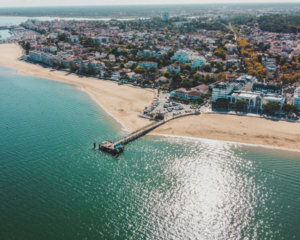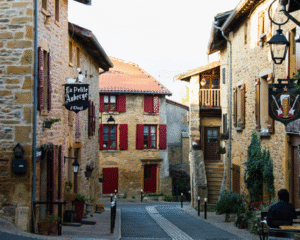
If you have ever dreamed about living in the south of France, chances are you have pictured something quite specific. A morning coffee in a sun-lit square, a market nearby selling cheese and olive oil, maybe the sea within walking distance. The Provence-Alpes-Côte d’Azur, PACA, as it is commonly known, is where that dream tends to land.
But here is something worth knowing early: the places people visit in PACA and the places people actually build a life in PACA are often not the same place. Once you start living in this region, it reveals a different kind of structure. Transport links start to matter. Healthcare coverage starts to matter. Property liquidity starts to matter considerably more than it did when you were planning over a glass of rosé. And the dream of the south of France starts turning into something more tangible and practical, which is exactly where the most interesting decisions begin.
Table of contents
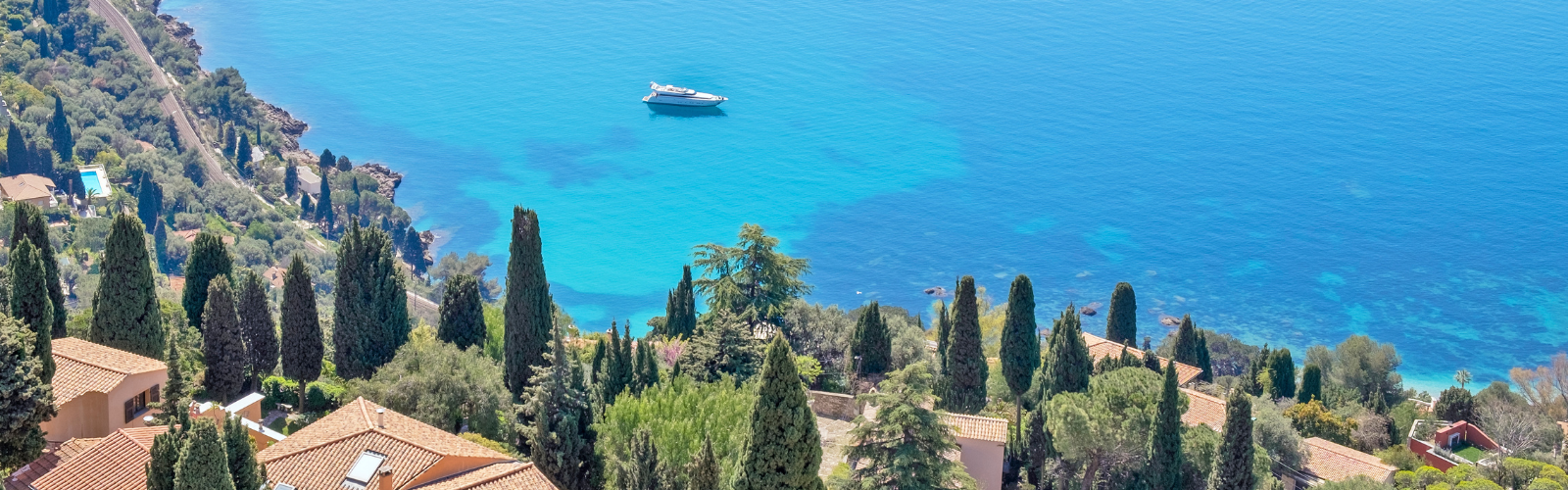
What Provence-Alpes-Côte d'Azur actually is
PACA is not a niche expat pocket or a holiday enclave. It is a region of more than five million people whose population has been growing steadily year on year, driven primarily by people choosing to move there rather than simply visit. The region revolves around a few key centres, each with its own distinct character and a very different lifestyle proposition.
Marseille is the heavyweight: nearly 900,000 people, significant infrastructure, and the kind of city where you can find almost anything if you know where to look. Nice is the capital of the Riviera, more polished, more international, with a strong Mediterranean rhythm and a beach culture that stays active well into October. And then there are cities like Aix-en-Provence, Avignon, and Toulon, which often sit right in the sweet spot for people relocating: large enough to function as a proper city, small enough to feel human.
People almost always start their research on the Riviera. After a few weeks, the conversation usually shifts, Aix appears more often, Avignon starts coming up, and occasionally, despite the reputation, Marseille too. Because the conversation moves from dream to daily life.
The cities of PACA: lifestyle, housing, and honest trade-offs
The most common pattern we see is that people research one city, visit another, and end up living somewhere they barely considered in the first week of planning. That is not a failure of planning, it is the natural result of the dream meeting the reality of daily life. Here is an honest look at the main options.
Nice
International airport, tram system, strong urban energy and beach lifestyle. Paris by train is 5+ hours, worth factoring in if the capital matters regularly.
Antibes & Cannes
Life revolves around the sea, great markets, and an established expat community. Rental market reflects the demand: 2-bed typically from 1,500 €, often higher.
Aix-en-Provence
Plane trees, students, beautiful markets. Lifestyle feels perfectly calibrated. Competitive rental market and premium property prices are the trade-off.
Avignon
Medieval walls, July theatre festival, and the most accessible property market in the region. TGV to Paris in just over two and a half hours.
Marseille
Real city energy, fishermen at the Vieux-Port, exceptional food culture, deep market liquidity (6,000+ transactions/year). Often underestimated in early research.
Toulon & Inland Var
Good infrastructure and sea access below Riviera prices. Inland areas offer the quiet Provençal rhythm, vineyards, olive groves, local markets. Car essential.
Transport links across PACA: the TGV corridor that changes everything
One of the most practically important features of PACA, and one that is often underweighted in early research, is the TGV corridor running through the region. Avignon reaches Paris in just over two and a half hours. Aix-en-Provence is under three hours. Marseille is slightly over three hours, with very frequent services throughout the day. This corridor fundamentally changes what it means to live in the south of France. You can have dinner in Provence and be in a Paris meeting the next morning, if you needed to.
Move east toward the Riviera, and the geography shifts. Nice has a fantastic international airport and a strong urban transport system, but Paris by train becomes a five-hour-plus journey, not impossible, but it does start influencing how often you make that trip. Inland towns often operate on a different model entirely: if you are close to a railway station, life can work very well; if you are not, the car becomes a non-negotiable part of your daily plan.
The Avignon–Aix–Marseille TGV corridor is one of the most powerful reasons to consider the western part of PACA over the Riviera. Avignon reaches Paris in just over two and a half hours; Aix in under three; Marseille slightly over three, with very frequent services. If you work remotely with occasional Paris meetings, travel for business, or simply want the capital within easy reach, this corridor is worth weighting heavily in your location decision.
Community, integration, and what social life actually looks like
The French Riviera and PACA broadly have a sizeable and well-established international community. In Nice, Antibes, Cannes, and Aix, English is widely spoken in expat circles and in many professional contexts. There are international schools across the region, English-speaking professionals in healthcare and law, and active expat groups in most major cities.
But one thing that comes up consistently in honest conversations about PACA is that integration into French social life is relatively slow to build, and the people who succeed socially tend to do the simple things consistently. Showing up at the same café every Saturday morning. Joining the local pétanque club. Taking language classes and actually attending them. Going to the market not just to buy things, but to become a recognised face. The Saturday market in Aix, the stalls that appear across the Luberon villages, the fishmongers at the Vieux-Port, these act as genuine social anchors, not tourist attractions, for the people who make a proper life here.
Depending on how rural you go, you will either find that rhythm naturally or you will have to go looking for it. In the mid-sized cities, it is there. In truly rural settings, it requires more deliberate effort.
The village that feels alive and full of charm in August can feel genuinely isolated in February. Before committing to a purchase anywhere in PACA, rent for long enough to experience an ordinary winter. The driving distances, the market patterns, the social rhythms, the weather, all of these reveal themselves differently outside the summer months. More than one buyer has discovered that the lifestyle they imagined requires more infrastructure than their chosen spot can offer. Renting first is not indecision; it is good planning.
Healthcare access across PACA: what to check before you choose a location
One of the genuine strengths of PACA for anyone thinking about long-term residence or retirement is the quality of its healthcare infrastructure. Marseille hosts the APHM, the Assistance Publique Hôpitaux de Marseille, one of the largest university hospital networks in France, with several hospitals and thousands of beds. Nice operates a large university hospital system serving the eastern half of the region. Mid-sized cities like Avignon and Toulon provide strong regional coverage for a wide range of specialities.
However, access is not uniform. Some rural communes fall into what the French health system designates as underserved zones, where GP availability is limited and wait times for specialists can be significantly longer. This is one of the practical reasons many relocation plans in PACA orbit around mid-sized cities: you get the services and infrastructure without committing to the full scale and cost of Marseille or Nice. If you have specific healthcare needs or want confidence in quick access to specialists, check healthcare availability at a local level, not just by region or city name, before finalising your location decision.
The weather in PACA: genuinely beautiful, with things to know
The Mediterranean climate of PACA is real, and it is one of the region’s most compelling features. Coastal areas typically average summer highs around 27–28 degrees, with mild winters, reliable sunshine, and the kind of outdoor life that makes the daily rhythm feel genuinely different from life in northern Europe or the northeastern US.
But the climate picture has layers worth understanding before you arrive. Inland temperatures can climb dramatically in summer, Avignon has recorded temperatures exceeding 42 degrees during extreme heat events, which is a different proposition from the coastal breeze. Coastal winds, particularly around Toulon and the Var coast, can be powerful and persistent; the Mistral in particular shapes daily life across wide areas of Provence. Summer wildfire risk is real in PACA and has increased in recent years. Flash floods during heavy autumn rainfall have caused significant disruption in the region. Hot nights along the coast are more common than they used to be.
None of this makes PACA an uncomfortable place to live, it is, for most people, one of the most pleasant climates in Europe. But these are real elements of the lifestyle equation, and they are worth understanding properly rather than discovering after you have committed.
Comparing the main locations: views vs value, connectivity vs tranquility
When people choose where to live in PACA, they are rarely choosing a single town. They are trying to achieve a sense of balance between things that pull in different directions. Here is a straightforward comparison of the main trade-offs across the region’s key areas.
| Location | What you get | What you give up |
|---|---|---|
| Nice / Riviera | Riviera energy, international airport, strong expat infrastructure, beach lifestyle | High costs, Paris 5+ hrs by train, summer crowds |
| Antibes / Cannes | Sea-focused lifestyle, established expat community, great markets | Premium rental market (1,700 €+ for a 2-bed) |
| Aix-en-Provence | Beautifully calibrated city life, great culture, student energy | Competitive rentals, premium property prices |
| Avignon | TGV to Paris in 2.5 hrs, medieval character, accessible property | Intense summer heat, less coastal atmosphere |
| Marseille | Real city energy, deep market liquidity, excellent food, fast TGV | Neighbourhoods vary widely; needs local knowledge |
| Toulon | Sea access, good infrastructure, below Riviera pricing | Mistral winds, less internationally visible |
| Inland Provence | Quiet market rhythm, open countryside, vineyards and olive groves | Car essential, limited services in very rural areas |
Building a life in PACA isn't really about finding the prettiest place. It is about finding the place where your weekly rhythm makes the most sense, where the markets, the cafés, the clubs, and the neighbourhoods gradually form the texture of everyday life you are trying to design. That is the moment the dream stops being a dream and starts becoming a real life in France. The best decisions usually come from understanding the trade-offs early, not discovering them after the fact.
FAQs on moving to the French Riviera
Planning a move to France or just thinking about it?
Book a free 15-minute consultation to discuss your move and the support available from Ibanista. 👉 Schedule your call here
Not ready for a call? No problem. Explore our free resources to learn at your own pace:
📚 Browse the blog for expert tips
🎧 Listen to our podcast for real stories and insights
Wherever you are in your France journey, we’re here to help.