France has just had its hottest summer since records began, a presidential election is approaching that nobody planning a move should ignore, and the content landscape around relocating here remains full of either uncritical enthusiasm or unrelenting gloom. Neither is useful. This is our honest attempt at a more balanced picture: five things that genuinely give us pause in 2026, and five reasons we think still make France one of the most compelling places in the world to build a life.
Politics and the 2027 election • The pace of life (for some) • French administration • The changing climate • Inheritance tax complexity
The healthcare system • The density of beauty • The tax picture for retirees • Infrastructure and transport • The pace of life (for others)
Table of Contents
Five things that have changed the calculation
1. The political direction of travel. For years, the sensible advice was to treat French politics as background noise. That advice is harder to give confidently heading into 2027. The upcoming presidential election matters, and polling shows a direction of travel on foreign residency rights that is worth watching. The flagship policy proposals of the leading candidate would, in theory, affect all non-citizens, not just illegal immigration. Most people moving to France are coming with their own income and no interest in competing for French housing or benefits, so the direct practical impact may be limited. But the signal matters. It does not change the decision for most people today. It is worth being aware of.
2. The pace of France can genuinely frustrate people. The assumption that France will function roughly like home, just with better food and more sunshine, causes a particular kind of suffering. Shops closing for two hours at midday, administration that moves at its own rhythm, systems that do not offer the instant confirmation people are used to elsewhere. People who spend their first year fighting this tend to struggle. People who adapt tend to find something rather different on the other side of that frustration. But the adaptation is real work, and not everyone finds their way through it.
3. French administration is genuinely difficult. Experienced expats do not tend to report getting dramatically better at French administration over time. What they learn is how to work with it rather than against it. The system is slow, feedback is sparse, and the silence while waiting on something important can be genuinely unsettling. The good news is that it does work, and the visa route for retirement in particular is more straightforward than most people assume. The hardest part is sitting with the uncertainty of a system that rarely tells you where your application stands.
4. The climate conversation has shifted. France’s 2026 summer was the hottest since records began. Paris exceeded 40 degrees in June. Thousands of heat-related deaths were recorded. The comfortable assumption that more sunshine automatically equals a better quality of life is harder to sustain after two summers of this. Even in the hottest parts of France, you are genuinely talking about six to eight difficult weeks in a year. The rest of the year, France still wins almost across the board. But the mistake of optimising only for two months of sun while ignoring the full picture works in both directions now.
5. Inheritance tax is the financial risk most people underestimate. Income tax gets the attention, but it is the end-of-life picture that can cause the most damage. For married couples leaving assets to spouses or children, the position is manageable: spouses pay nothing, children have a 100,000 euro allowance each before tax kicks in. But for unmarried partners or stepchildren, the rate is 60% above an allowance of just 1,594 euros. On a median French property, that is potentially over 200,000 euros going to the French government. This is one reason why buying the biggest property you can in France is not always the smartest move. Get cross-border estate planning advice before you arrive, not six months after.
Five things that still make France compelling in 2026
1. The healthcare system is genuinely remarkable. Most people reduce French healthcare to “it’s free” and leave it there. That framing does it a disservice. What you are actually getting access to is one of the best healthcare systems in the world, not just in Europe. In a recent international survey, France ranked third globally for affordability of medical care and sixth for quality. For retirees especially, this matters enormously. You will need a mutuelle to cover what the state system does not, and finding a GP who is taking on new patients can be harder in rural areas. But as a foundation, it is exceptional, and it holds up consistently across every client we work with.
2. The pace of life is also a genuine benefit. The same thing that frustrates people at first is often what they value most later. The rhythm of France, the two-hour lunch, the market, the slower tempo of ordinary days, is not just something you adapt to. For many people it becomes the point. Quality of life that is better not despite the slowness, but partly because of it. This one is worth sitting with before you decide it is a disadvantage.
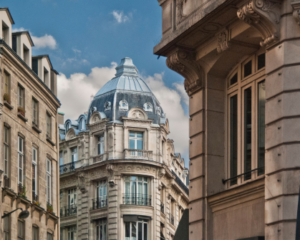
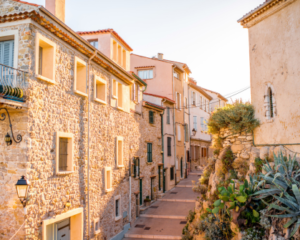
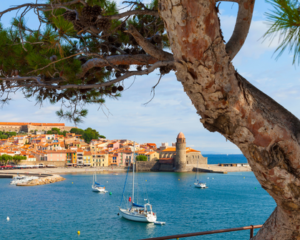
3. The density of beauty does not wear off. Most people have a mental image of France based on a handful of postcards. The reality is considerably wider. France has 56 UNESCO World Heritage Sites, placing it third in the world. Beauty here is not concentrated in a few famous spots. It is almost everywhere, and people who have lived in France for decades continue to find new corners of it. The D-Day landing beaches joined the UNESCO list in 2026. That is the kind of detail that captures something true about this country: it continues to reveal depth the longer you look.
4. France can be genuinely tax-friendly for the right retiree. The high-tax label gets repeated so often it becomes accepted wisdom. For some people, particularly entrepreneurs, it is accurate. But for many retirees with relatively straightforward financial affairs, it does not reflect reality at all. Americans drawing a US pension pay tax on it only in the US under the US-France tax convention. UK government workers retain their pension taxation in the UK. France taxes households as a unit rather than individuals, which can make a real difference where partners have uneven income. The crucial caveat: keeping your investment portfolio back home does not automatically make it tax-free. UK ISAs lose their tax-free status when you become a French resident, and that has caught many people out. Get proper cross-border tax advice before you move, not after.
5. The infrastructure is one of the most underrated advantages. Transport almost never comes up when people list reasons to move to France. It should. The motorway network is excellent and journeys that would be stressful in the UK or parts of the US are simply pleasant here. The TGV high-speed rail network is extensive. City transport in major centres is genuinely good. The practical upshot is that lower-car or car-free living is realistic in France in a way that very few countries can match. For retirees in particular, that is a considerably bigger deal than most people factor in before they move.
Is France still worth it in 2026?
For the right person, yes. The calculation has shifted in some areas but not fundamentally. The healthcare system, the infrastructure, the quality of life, the beauty of the country and, for many retirees, the tax position remain genuinely compelling. The political direction of travel is worth watching without necessarily acting on. The climate is changing in ways that need to be factored into where in France you choose, not whether to go at all. The administration is hard but workable. And the pace of life that frustrates people in year one tends to be the thing they are most grateful for in year five.
What has not changed is the importance of going in with the right preparation. Estate planning, cross-border tax advice, understanding the rental market and choosing the right location all matter more than ever. Getting those right before you move, rather than after, is the difference between a move that works and one that creates unnecessary problems.
The question is not really "Is France still worth it?" It is whether France is still worth it for you specifically, given your income structure, family situation, health needs, tolerance for administrative friction, where in France you are considering and what kind of life you want. The answer to the general question is probably still yes. The right preparation is what turns that general yes into a specific one that works for your circumstances.
Frequently asked questions
Planning a move to France or just thinking about it?
Book a free 15-minute consultation to discuss your move and the support available from Ibanista. 👉 Schedule your call here
Not ready for a call? No problem. Explore our free resources to learn at your own pace:
📚 Browse the blog for expert tips
🎧 Listen to our podcast for real stories and insights
Wherever you are in your France journey, we’re here to help.