Choosing where to live in France can feel overwhelming at first, not because there are too few options, but because there are so many good ones. Paris, Lyon, Bordeaux, Toulouse, the coast, the countryside… each looks appealing on paper.
The mistake most newcomers make is trying to choose the best place in France.
The better question is: where will daily life actually work for you?
What your days feel like in February matters far more than how a place looks in August. Cafés, sunshine and charm are important, but rhythm, access, and ease are what determine whether France becomes home or stays a fantasy. Below is a practical, grounded way to narrow down where to live in France as a newcomer, based on how people actually settle successfully, not just where they dream of landing.
Table of Contents
Start with daily life, not the map
Before you compare cities, start by answering a few grounding questions honestly. These answers usually narrow the list faster than any ranking ever will.
What is your realistic monthly budget?
Outside Paris, many French cities remain workable for a single person at 700–1,200 € per month for rent plus basics, depending on lifestyle and housing choices. Couples or families will need more margin, but France still offers a wide spread of affordability compared to other Western countries.
Being clear on your budget immediately rules out entire categories of places, and that’s a good thing. Clarity reduces stress.
How will you earn or fund your life in France?
our work status shapes everything:
- Remote work with foreign income
- Looking for local employment
- Studying
- Retired or financially independent
Cities with strong job markets and international employers feel very different from lifestyle-driven cities where work opportunities are limited. Neither is better, but choosing the wrong match creates friction quickly.
Do you want a car-free or car-light life?
France is very liveable without a car in cities. Most urban areas have reliable public transport, and even smaller cities usually have buses if they lack metros or trams.
As a rule of thumb:
- Cities and historic centres → easy without a car
- Countryside and rural France → a car is essential
If you don’t want to drive daily, that alone narrows your list to compact, well-connected cities.
What matters most in your lifestyle?
Ask yourself which of these matter most, not which sound nice:
- Warm climate
- Access to nature
- Cultural life
- International community
- Calm and routine
- Stimulation and energy
Trying to optimise everything usually leads to disappointment. Prioritising two or three things brings relief.
Think in terms of rhythm, not reputation
One of the most helpful ways to choose where to live in France is to imagine an ordinary Tuesday in February, not a holiday weekend.
This idea comes up again and again in real-life conversations with newcomers: people don’t regret France, they regret the pace they chose. Some cities generate energy around you. Others require you to generate it yourself. Neither is wrong, but confusing the two is a common source of regret.
Strong “first landing” cities for newcomers
If you’re new to France, especially as a non-EU citizen, certain cities consistently make settling easier. They offer infrastructure, healthcare, transport, and enough international presence that you don’t feel isolated while learning how things work.
Lyon: the quiet all-rounder
Lyon often surprises people. It’s structured, organised, and grounded, with excellent healthcare and a strong economy. Life has rhythm here, weekdays hum along, weekends slow down naturally.
It suits people who want balance, predictability, and a feeling of normal life rather than constant stimulation. The main surprise tends to be the hills: hillside neighbourhoods are beautiful, but you feel them over time.
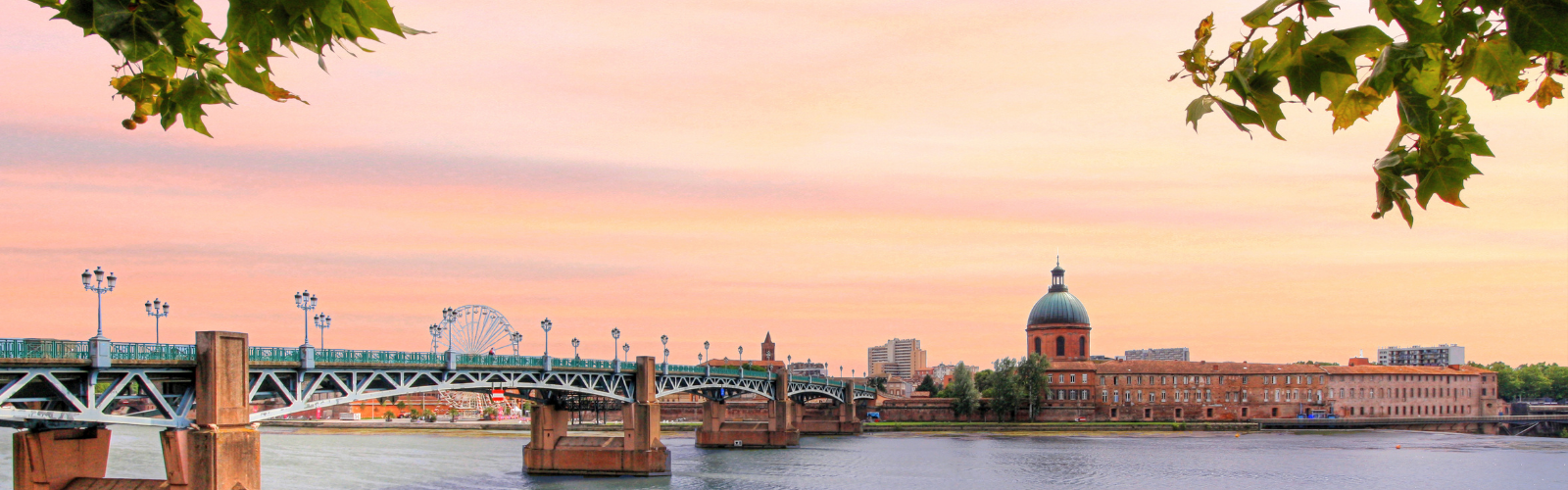
Toulouse: sunny and job-friendly
Toulouse offers warmth, space, and a strong job market thanks to aerospace and tech. It stays lively year-round and works well for people who want energy without Paris pressure.
It’s a good fit if you want sunshine but still need economic momentum.
Bordeaux: the gentle landing
Bordeaux is often described as the easiest city emotionally. It’s socially warm, walkable, flat, and welcoming. People tend to connect here without forcing it.
Healthcare is solid, though very specialised care may require occasional travel. For many newcomers, the emotional ease outweighs that trade-off.
Nantes: calm and green
Nantes appeals to families and people seeking a softer pace. It’s green, well organised, and more affordable than many large cities, with Atlantic access nearby.
It suits those who want stability over intensity.
Strasbourg or Grenoble: everyday France
Both cities attract people who value cycling, nature, and a more “local” French feel. They’re less internationally hyped but highly liveable if you enjoy routine and proximity to nature.
A simple rule of thumb
If you define just three things, budget, work status, and climate/car preference, your list usually shrinks to three or four realistic cities.
As a shortcut:
- Choose Lyon or Toulouse for jobs, transport, and balance
- Choose Bordeaux or Nantes for lifestyle and walkability
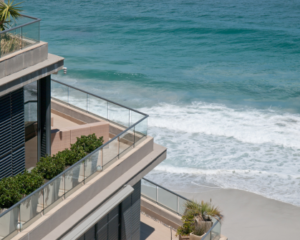
- Choose Nice or Montpellier if sun and sea come first
Once your list is short, France starts to feel manageable instead of overwhelming.
Don’t underestimate healthcare and access
Healthcare in France is strong almost everywhere, but friction varies.
Large cities make everyday healthcare fade into the background. Smaller towns require more planning. Rural areas often mean longer drives and more logistics. Regret rarely comes from emergency care; it comes from repeated small hassles over time.
The same is true for access back to what still feels like home. Being near a major train line or airport reduces emotional weight more than people expect, especially as family needs change.
Think about future flexibility
Most newcomers don’t plan to sell or move again, but life rarely asks permission.
Cities and neighbourhoods with diversified demand (jobs, rentals, turnover) offer calmer exit options. Highly niche or remote areas can be wonderful, until circumstances change. Many regrets come not from the region itself, but from buying or renting something too specific.
Start somewhere that keeps doors open
You don’t need to choose forever on day one.
Many successful movers treat their first city as a landing zone, not a final destination. They rent, learn the system, build language skills, and then refine their long-term plan with real experience behind them.
If you want a structured starting point, you can also download our free guide to moving to France from the US, which walks through visas, housing, healthcare, and early decisions step by step: 👉 DOWNLOAD HERE
Still deciding where to move?
Explore our city deep-dives to compare neighbourhoods, housing costs and expat life across France.
Final notes
The goal isn’t to choose the prettiest place in France.
It’s to choose a city whose daily rhythm supports the life you want to live now, and the person you’re becoming next.
When you choose rhythm over postcards, France tends to reward you with something better than beauty: a life that actually fits.
Planning a move to France or just thinking about it?
Book a free 15-minute consultation to discuss your move and the support available from Ibanista. 👉 Schedule your call here
Not ready for a call? No problem. Explore our free resources to learn at your own pace:
📚 Browse the blog for expert tips
🎧 Listen to our podcast for real stories and insights
Wherever you are in your France journey, we’re here to help.