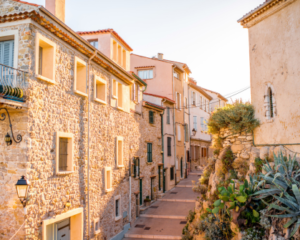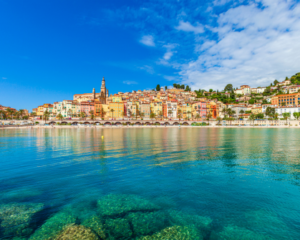
Moving to France often comes with a powerful image: cafés on foot, markets around the corner, trains gliding across the country. For many expats, that raises a practical question early on: can you actually live in France without a car?
The short answer is yes, but only in the right places, and with the right expectations. France is not uniformly walkable or transit-friendly. Your experience will depend heavily on where you live, how you organise daily life, and what lifestyle you’re aiming for.
This article breaks down the reality: where a car-free life works, where it doesn’t, and how many expats make a hybrid approach work in practice.
Table of Contents
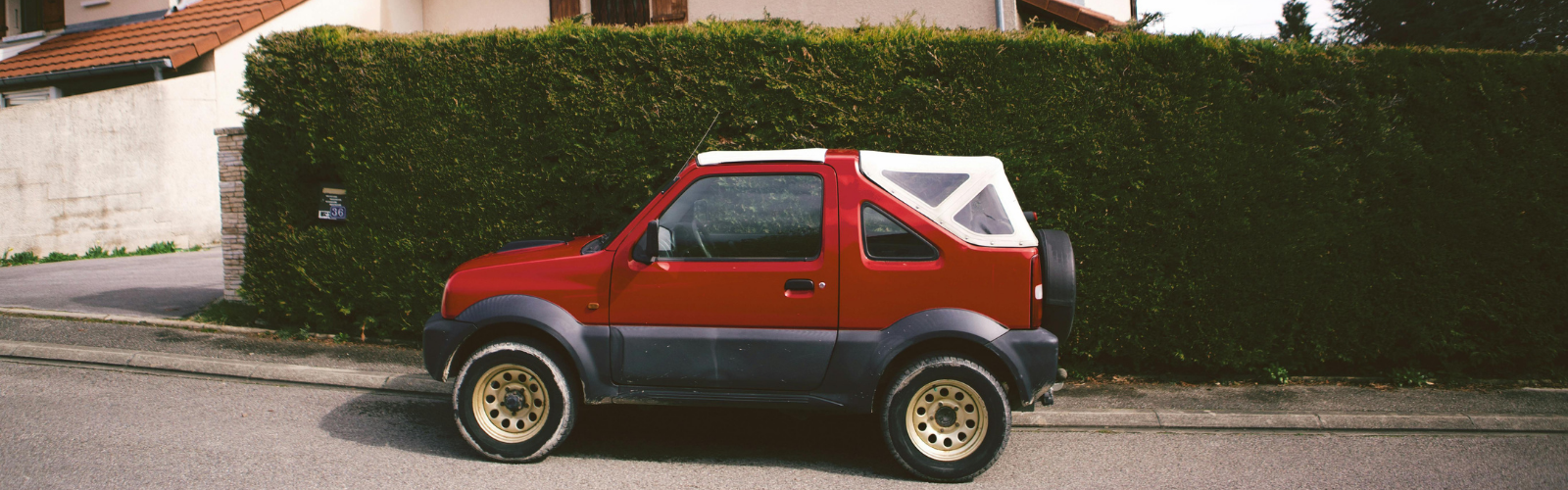
Is it possible to live in France without a car?
Yes, it’s absolutely possible, and increasingly common, in larger cities and certain well-connected mid-sized towns. In these places, daily life can be managed on foot, by bike, or via public transport, with trains covering longer distances.
However, outside urban centres, France quickly becomes car-dependent. Rural living without a car is technically possible in rare cases, but often impractical and frustrating for newcomers.
The key isn’t “France vs no car”.
It’s location, location, location.
Where living without a car works best
Large French cities (easiest option)
France’s major cities are the most realistic places to live without owning a car. They combine dense public transport, walkable neighbourhoods, and strong national rail connections.
Cities where a car is often unnecessary:
- Paris (and close suburbs)
- Lyon
- Marseille
- Toulouse
- Bordeaux
- Lille
- Nantes
- Strasbourg
- Montpellier
- Nice
In these cities:
- Daily errands (shopping, schools, healthcare, social life) are usually walkable or accessible by tram, metro or bus.
- Long-distance travel is easy via TGV, Intercités and TER trains.
- Low-cost Ouigo TGV trains connect Paris to many cities from around €10–€20.
- Many residents, especially in Paris, do not own a car at all.
Choosing the right neighbourhood (near a tram or metro line, with shops and services nearby) makes a no-car lifestyle genuinely realistic.
Mid-sized cities that work surprisingly well
For many expats, mid-sized French cities are the sweet spot: charming, manageable, and still car-free friendly.
Frequently recommended options include:
- Avignon
- Aix-en-Provence
- Annecy
- La Rochelle
- Dijon
- Reims
- Rouen
- Colmar
- Blois
- Antibes
- Narbonne
- Toulon
These towns typically offer:
- Compact, walkable historic centres
- Local bus networks
- Direct train connections to a major hub (Paris, Lyon, Marseille, Bordeaux)
For retirees, remote workers, or couples, these cities often provide a high quality of life without the cost or stress of car ownership.
Where a car becomes essential
Rural France and small villages
This is where expectations often clash with reality.
In much of rural France:
- Buses may run once or twice a day, or not at all
- Train stations may be many kilometres away
- Supermarkets, doctors and services are rarely walkable
Expats who attempt rural life without a car often report:
- Heavy reliance on taxis (expensive)
- Long travel times for basic errands
- Dependence on neighbours or friends
In practice, a car, and sometimes two, is the norm in rural areas.
You can reduce dependency slightly by:
- Choosing a village with a mainline train station
- Ensuring there’s a daily bus to a nearby town
But even then, most long-term residents end up buying a car.
The hybrid approach: Mostly car-free
Many expats settle on a hybrid model, especially in cities like Toulouse, Dijon or Montpellier.
How it works:
- Daily life handled on foot, by bike or public transport
- Car-sharing or short-term rentals for:
- Big grocery trips
- Weekend escapes
- Visiting remote areas
Popular options include:
- Citiz
- Getaround
- BlaBlaCar
- Traditional short-term car rental
Case studies consistently show annual spending of a few thousand euros on car-sharing, often less than the 5,000–6,000 € per year it typically costs to own a car in France.
This model works best if:
- You live near shops, schools and healthcare
- You’re comfortable planning trips ahead
- You’re flexible with train timetables
Pros and cons of living in France without a car
| Pros | Cons |
|---|---|
| Strong national rail network for travel | Limited flexibility outside cities |
| Lower overall living costs | Rural areas become restrictive |
| Less administrative hassle (insurance, maintenance, parking) | Planning required for longer trips |
| Easier integration into urban French life | Occasional inconvenience for bulky errands |
So… Can you move to France without a car?
Yes, if you choose the right place.
If your goal is to minimise or avoid car use:
- Prioritise large or mid-sized cities
- Choose neighbourhoods near public transport
- Avoid isolated villages unless they have strong rail and bus links
If your dream is deep rural France, be realistic: a car is almost unavoidable.
The smartest approach isn’t ideological, it’s practical. France offers excellent public transport in the right places, but it’s not universally car-free.
Planning a move to France or just thinking about it?
Book a free 15-minute consultation to discuss your move and the support available from Ibanista. 👉 Schedule your call here
Not ready for a call? No problem. Explore our free resources to learn at your own pace:
📚 Browse the blog for expert tips
🎧 Listen to our podcast for real stories and insights
Wherever you are in your France journey, we’re here to help.