Relocating to France from the UK or the US involves more than just packing your belongings, you’ll also need to think carefully about which electrical appliances are compatible with French standards. Plug types, voltage, and frequency vary by country, and bringing the wrong equipment can lead to costly damage or safety issues.
Let’s cover everything you need to know about bringing appliances to France, whether you’re moving from the UK or the US, and helps you decide what to bring, what to leave, and what to replace once you arrive.
Table of Contents
Understanding the basics: Voltage, frequency and plug types
Before deciding what to pack, it’s essential to understand the differences in electrical systems:
| Country | Voltage | Frequency | Plug Type |
|---|---|---|---|
| France | 220–230V | 50 Hz | Type E (2 round pins) |
| UK | 230–240V | 50 Hz | Type G (3 rectangular pins) |
| US | 120V | 60 Hz | Type A/B (flat pins) |
Moving from the UK to France: Appliance compatibility
Voltage and frequency
The UK and France operate on similar voltage and frequency, 230V at 50Hz, which means most UK appliances will work in France without issue.
Plug compatibility
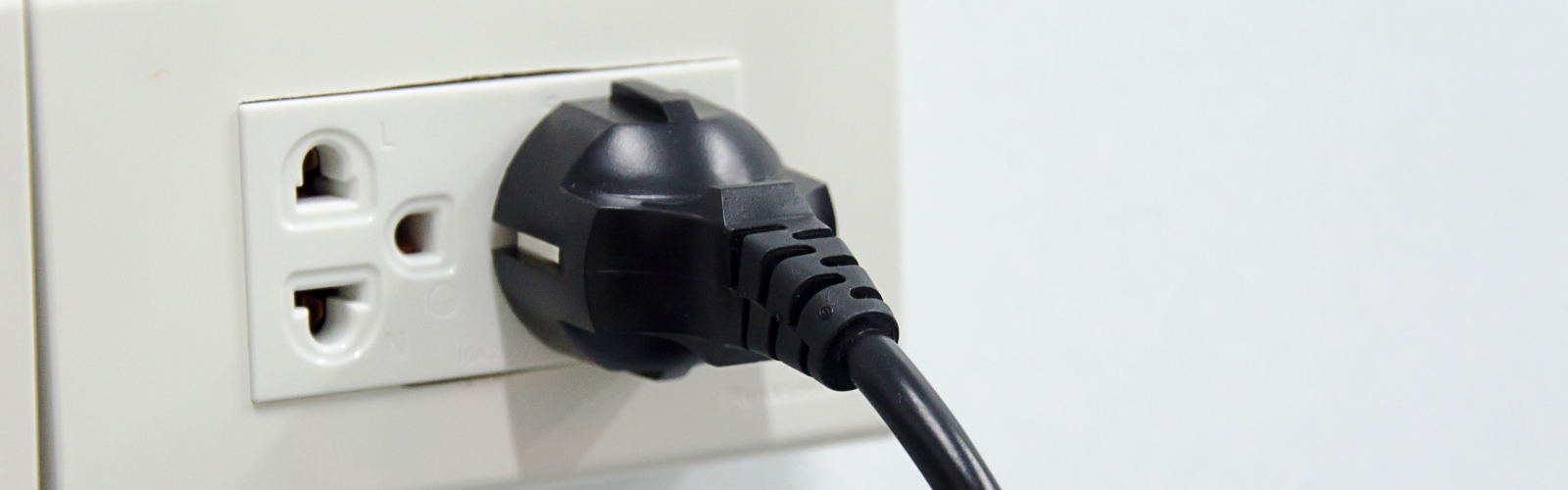
However, France uses Type E plugs, while the UK uses Type G. You’ll need a plug adapter to use UK devices in French sockets. Avoid cutting off UK plugs to fit French sockets, as this may:
- Void warranties
- Remove internal fuses, which protect against power surges
Using a UK-to-EU adapter or UK extension lead with French adapters is a safer solution.
Which UK appliance to bring
You can safely bring the following items:
- Laptops and chargers
- Hairdryers and personal care items
- Kitchen appliances (e.g., kettles, mixers, blenders)
- Phone and camera chargers
- Games consoles and smart speakers
Recommendation: Use a surge protector for sensitive electronics, as power surges are more common in France than the UK.
UK TVs in France
UK TVs use the PAL broadcasting system, while French terrestrial TV operates on SECAM. This means:
- UK TVs won’t work with standard French aerials
- They may work with UK satellite services or streaming platforms
- Consider using your UK TV as a monitor for a French set-top box or streaming service
Moving from the US to France: What you can (and can't) bring
Voltage and frequency
This is where things get tricky. The US uses 120V at 60Hz, while France uses 220–230V at 50Hz. Most US appliances are not compatible without a voltage converter or transformer.
Dual vs single voltage devices
Dual voltage appliances (100–240V) are safe to use in France with just a plug adapter. These include:
- Laptops
- Smartphones
- Tablets
- Cameras
- Electric toothbrushes
- Some hairdryers and razors
Always check the voltage label before packing.
Single voltage devices (120V only) require a step-down transformer or converter to be used in France. This includes:
- Toasters
- Coffee machines
- Slow cookers
- Hairdryers with heating elements
- Microwaves
- Corded vacuum cleaners
Converters are bulky, expensive, and not always reliable for long-term use.
What not to bring from the US
Avoid bringing:
- Large appliances like washing machines, dryers, and microwaves
- Kitchen equipment with heating elements
- US televisions (broadcasting and voltage differences make them incompatible)
Recommendation: Replace single-voltage US appliances in France. Many equivalents are affordable and built to local standards.
Summary table: UK vs US appliance compatibility in France
| Appliance Type | UK to France | US to France (Dual Voltage) | US to France (Single Voltage) |
|---|---|---|---|
| Laptop / Charger | ✅ Adapter only | ✅ Adapter only | ❌ |
| Phone / Tablet | ✅ Adapter only | ✅ Adapter only | ❌ |
| Hairdryer | ✅ Adapter only | ✅ Adapter only (if dual voltage) | ⚠️ Converter needed |
| Toaster / Kettle | ✅ Adapter only | ❌ | ❌ |
| Coffee Machine | ✅ Adapter only | ❌ | ❌ |
| Television | ⚠️ Limited compatibility | ❌ | ❌ |
| Gaming Console | ✅ Adapter + surge protector | ✅ Adapter + surge protector | ⚠️ (Check power requirements) |
Tips for safe appliance use in France
- Use surge protectors: Protect your devices from voltage spikes
- Never change the plug: Use adapters instead of altering cables
- Check for CE certification: Appliances with CE marking are safer to use in France
- Travel adapters are temporary: For permanent use, invest in quality EU-style power strips or replace the appliance
- Power strips from the UK work with an EU adapter: Handy for charging multiple UK devices safely
Final recommendations
- From the UK: Bring most of your appliances. Voltage is compatible. Use plug adapters and avoid changing plugs directly.
- From the US: Only bring dual-voltage electronics. Avoid bringing heating appliances and anything 120V-only.
- Consider replacing essential high-wattage appliances with French or EU models after you arrive.
If in doubt, check the voltage label on each device before packing.
Planning a move to France or just thinking about it?
Book a free 15-minute consultation to discuss your move and the support available from Ibanista. 👉 Schedule your call here
Not ready for a call? No problem. Explore our free resources to learn at your own pace:
📚 Browse the blog for expert tips
🎧 Listen to our podcast for real stories and insights
Wherever you are in your France journey, we’re here to help.