Moving to the French countryside is a dream for many expats. The promise of charming villages, breathtaking landscapes, and a slower pace of life is undeniably appealing. However, life in rural France is very different from what city dwellers might be used to. Before making the move, it’s essential to consider the practical realities – both the advantages and the challenges.
Table of contents
The allure of rural France
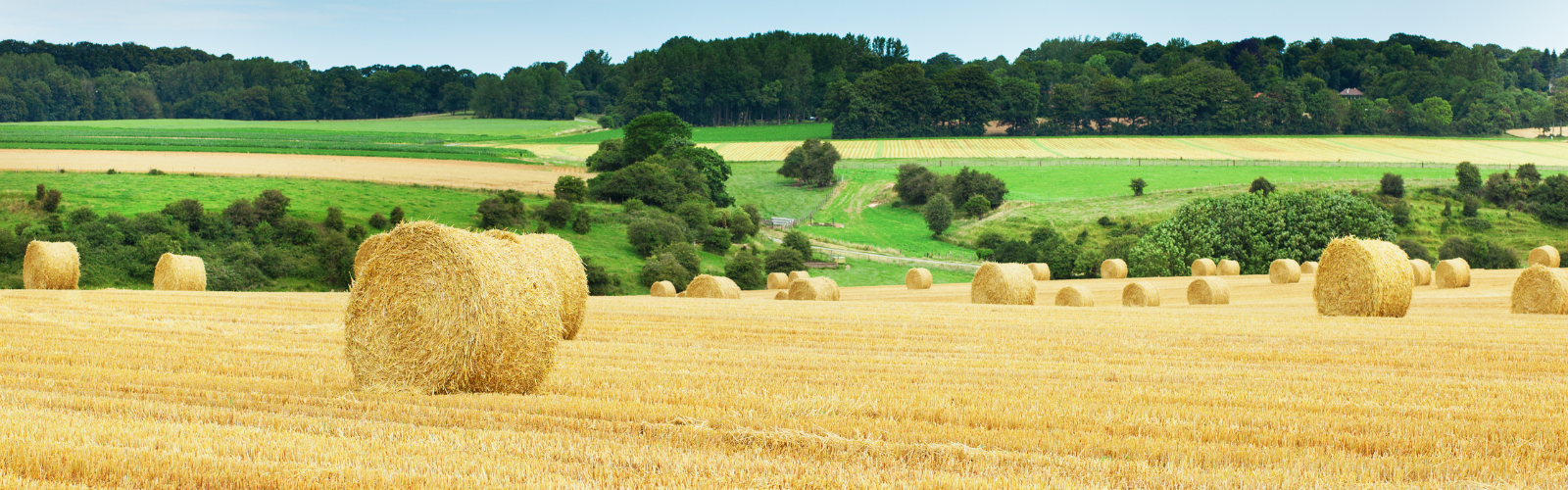
The French countryside is undeniably enchanting. The slower pace of life is a welcome change for those looking to escape the hustle and bustle of city living, offering a sense of tranquility that is hard to find elsewhere. Expats are particularly drawn to the affordability of rural properties, spacious homes with large gardens, sometimes even with outbuildings, can be purchased for a fraction of what a small apartment might cost in urban centres.
Beyond the cost benefits, rural France offers a deeper connection to nature. The strong sense of community is another attraction, local markets, festivals, and village gathering create an opportunity to build meaningful relationships with neighbours. However, adjusting to this lifestyle requires an open mind and a willingness to embrace a different way of living.
Everyday practicalities: What's different?
Shops and services close on Sundays in rural France
One of the first adjustments for expats moving to rural France is the slower, more traditional pace of life. Unlike in many countries where 24/7 shopping is the norm, Sundays in rural France are reserved for rest, family gatherings and leisurely meals. Supermarkets, banks and many other businesses shut their doors, and even restaurants may have limited hours. If you are used to grabbing last-minute groceries or running errands on a Sunday, you’ll need to plan ahead to avoid an empty fridge.
Limited public transport: A car is essential
Public transport in rural France is sparse, with infrequent buses and in many areas, no train at all. If you live outside a main town, a car (or even two) is a necessity, not just for commuting to work but for simple tasks like grocery shopping, doctor’s visits, and social outings. Without one, day-to-day life can become frustratingly difficult.
Same-day delivery? Not likely
Online shopping is convenient in France’s major cities, but in the countryside, delivery times are significantly slower. Next-day or even two-day shipping isn’t always guaranteed, and postal services can be unreliable. If you rely on Amazon for everyday essentials, expect longer wait times, and consider stocking up on necessities when you can.
Internet and infrastructure challenges
Slow or unreliable internet
While France has made significant progress in expanding high-speed internet access, many rural areas still lag behind. Broadband speeds can be slow or inconsistent, particularly in remote villages where fibre-optic connections have yet to reach. If you work remotely, rely on video calls, or frequently stream content, this can be a frustrating reality. Some expats invest in satellite internet or mobile data plans as backups, but these solutions can be costly and unreliable in certain regions. Before purchasing or renting a home, it’s essential to check the available internet speeds to ensure they meet your needs.
Limited medical facilities
France is known for its high-quality healthcare, but in rural areas, access to medical services can be more complicated. While most villages have a local doctor or pharmacy, finding specialists such as dermatologists, cardiologists, or paediatricians may require a trip to the nearest major town. Wait times for appointments can also be longer compared to urban centres. In some cases, rural hospitals are understaffed, and emergency services may take longer to arrive. Expats moving to the countryside should consider proximity to healthcare facilities, especially if they have ongoing medical needs or young children who may require frequent doctor visits.
Lifestyle adjustments: Will you feel isolated?
A quiet life - is it too quiet?
Rural France is peaceful, but this can also mean a lack of entertainment options. Social life revolves around local events, markets, and community gatherings. If you enjoy a variety of nightlife, restaurants or cultural activities, you may find the options limited.
Making friends can take time
Many rural communities are close-knit, with generations of families living in the same village. Expats are usually welcomed, but it takes effort to integrate. Attending local events, learning French and engaging in community activities will help.
Fewer options for children's activities
If you have children, be prepared for fewer choices when it comes to extracurricular activities. Unlike cities where you can pick from multiple dance classes, music schools, or sports clubs, rural areas may offer just one or two options, and quality can vary.
Cost of living in rural France: Affordable, but hidden costs
Homes are cheaper in rural France, but maintenance isn't
One of the biggest draws of rural France is the affordability of property. Expats can often purchase spacious homes with large gardens for a fraction of what they would pay in urban areas. However, these savings can be offset by hidden costs. Many rural properties are older and may require extensive renovations—rewiring, insulation, roof repairs, or even structural work. Skilled labor can be difficult to find in remote areas, and when available, it often comes at a premium. Essential infrastructure, like septic systems, also requires regular maintenance and inspections. Before committing to a purchase, it’s crucial to budget not just for the property itself, but for potential repairs and upkeep. Learn more about septic systems in French properties.
Longer commutes mean higher travel costs
Living in the countryside often means relying on a car for everything—work, school, shopping, and social activities. Unlike city dwellers who have access to public transport, rural residents must budget for fuel, tolls, insurance, and vehicle maintenance. If both partners in a household work, owning two cars may be a necessity, doubling these expenses. Even simple errands, like grocery shopping or doctor visits, can require long drives, adding to overall costs. When planning a move to rural France, factoring in these travel-related expenses is essential to avoid unexpected financial strain.
Work and business limited local job opportunities
Few local employment options
Finding a job in rural France can be difficult unless you work in agriculture, tourism, or skilled trades. Many expats either commute to a nearby town or work remotely.
Running a business? Consider logistics
If you plan to run a business, think carefully about your client base. If your work involves visiting clients, travel time can be a challenge. For online businesses, reliable internet is a must.
Cultural considerations and integration
Understanding local customs in rural France
Rural communities operate differently from big cities. Social life revolves around local markets, festivals, and traditions. Expats who embrace the culture and participate in these events often have an easier time integrating.
Language barrier: Do you speak French?
While some British expat communities exist, speaking French is crucial for dealing with administration, making friends, and engaging with locals. If you’re not confident in your French skills, consider taking lessons before moving.
Is rural France right for you?
Living in the French countryside can be idyllic—but only if it aligns with your lifestyle. If you thrive on city conveniences, job opportunities, and a fast-paced social life, the adjustment may be tough. However, if you value peace, nature, and a close-knit community, rural France could be the perfect place for you.
Checklist: Are you ready for the move?
✅ Can you live without 24/7 convenience?
✅ Are you comfortable driving everywhere?
✅ Do you have a plan for work or income?
✅ Are you okay with slower internet?
✅ Have you researched schools and healthcare?
✅ Are you willing to learn French and integrate into the local culture?
If you answered yes to most of these, rural France might be a great fit. If not, consider whether a smaller town, rather than a remote village, would be a better balance for you.
Final notes
Rural France offers an extraordinary quality of life, but it’s not for everyone. Understanding the challenges in advance will help you make an informed decision. Whether you’re looking for a peaceful retirement, a fresh start, or an escape from city life, careful planning is key to making your move a success.
Related reads
Planning a move to France or just thinking about it?
Book a free 15-minute consultation to discuss your move and the support available from Ibanista. 👉 Schedule your call here
Not ready for a call? No problem. Explore our free resources to learn at your own pace:
📚 Browse the blog for expert tips
🎧 Listen to our podcast for real stories and insights
Wherever you are in your France journey, we’re here to help.