Toulon has a very special place in my heart. I’m Alexandra, co-founder of Ibanista, and Toulon is my hometown. It’s where I grew up, went to school and spent much of my childhood and teenage years.
For years, when people thought about the French Riviera, they tended to picture Nice, Cannes or Aix-en-Provence. Toulon rarely made the shortlist. But that’s changing. We’re seeing more and more people discover this city, whether they’re planning a holiday, exploring the South of France or seriously considering somewhere to settle permanently.
Toulon has a wonderful combination of Mediterranean beaches, colourful Provençal markets, beautiful coastal walks, a lively harbour and a historic centre that’s changed enormously in recent years. It’s also a real, working French city. Not somewhere that exists purely for tourists, but somewhere people actually live, work, shop and enjoy the Mediterranean lifestyle.
So here are 15 of the best things to do in Toulon, from someone who grew up there.
Table of Contents
Take the cable car up Mont Faron
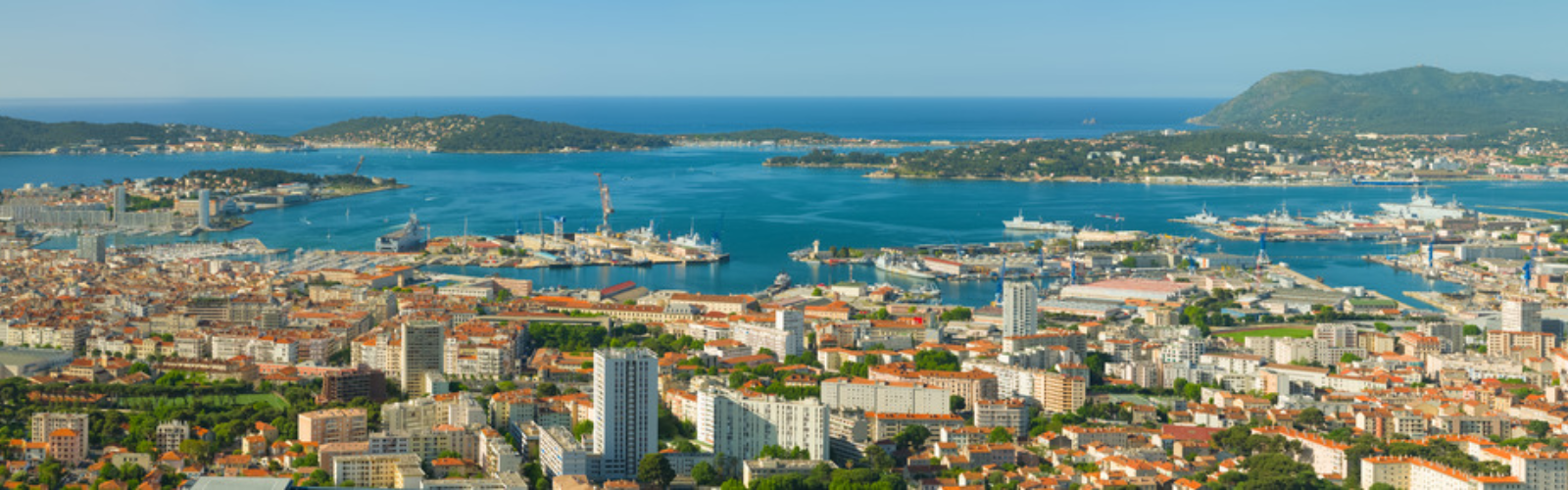
If there’s one thing I’d recommend to anybody visiting Toulon for the first time, it’s going up Mont Faron. The mountain rises above the city and is one of Toulon’s most recognisable landmarks.
The most enjoyable way to reach the top is by taking the téléphérique, the cable car that climbs the mountainside. And the views are absolutely worth it. From the summit, you can see Toulon’s harbour, the naval base, the Mediterranean coastline and the mountains beyond.
Toulon is quite unusual in that it’s squeezed between the mountains and the sea. Standing at the top of Mont Faron, you really understand the geography of the city. Once you’re there, there are walking trails through the pine trees, viewpoints and the Mémorial du Débarquement et de la Libération en Provence, which explores the Allied landings in August 1944.
Cours Lafayette market (and try the cade)
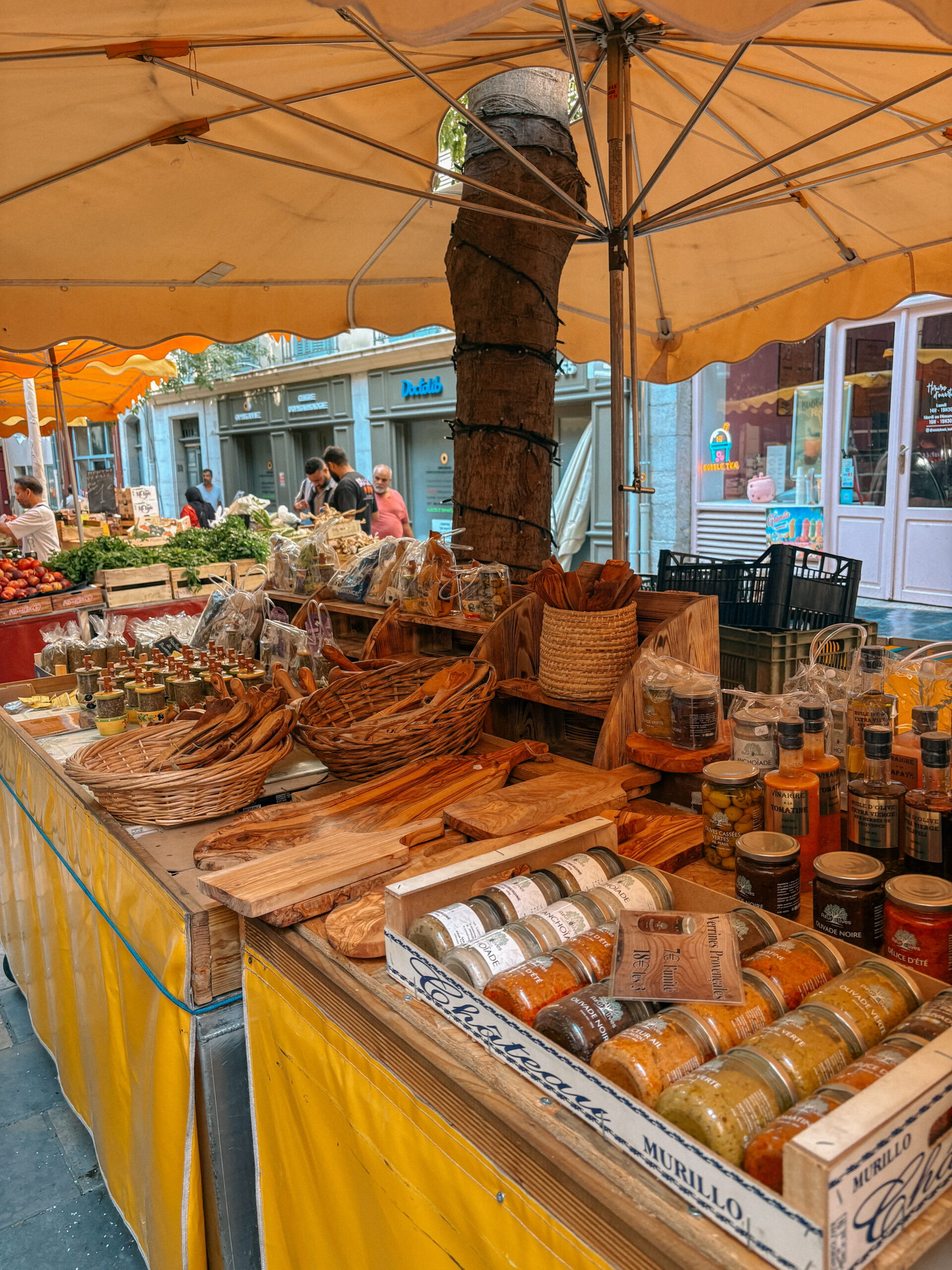
This is one of the places that really feels like home to me. If you want to experience a proper Provençal market, head to Cours Lafayette in the morning. It’s loud, colourful, busy and full of life.
You’ll find stalls overflowing with fruit, vegetables, flowers, olives, cheese and local produce. The stallholders are calling out to customers, people are chatting as they shop, the smells of fresh herbs and garlic fill the air. It’s not a polished tourist market. It’s somewhere local people actually come to do their shopping. And that’s exactly why I love it.
The market generally runs Tuesday to Sunday mornings, though it’s worth checking around public holidays.
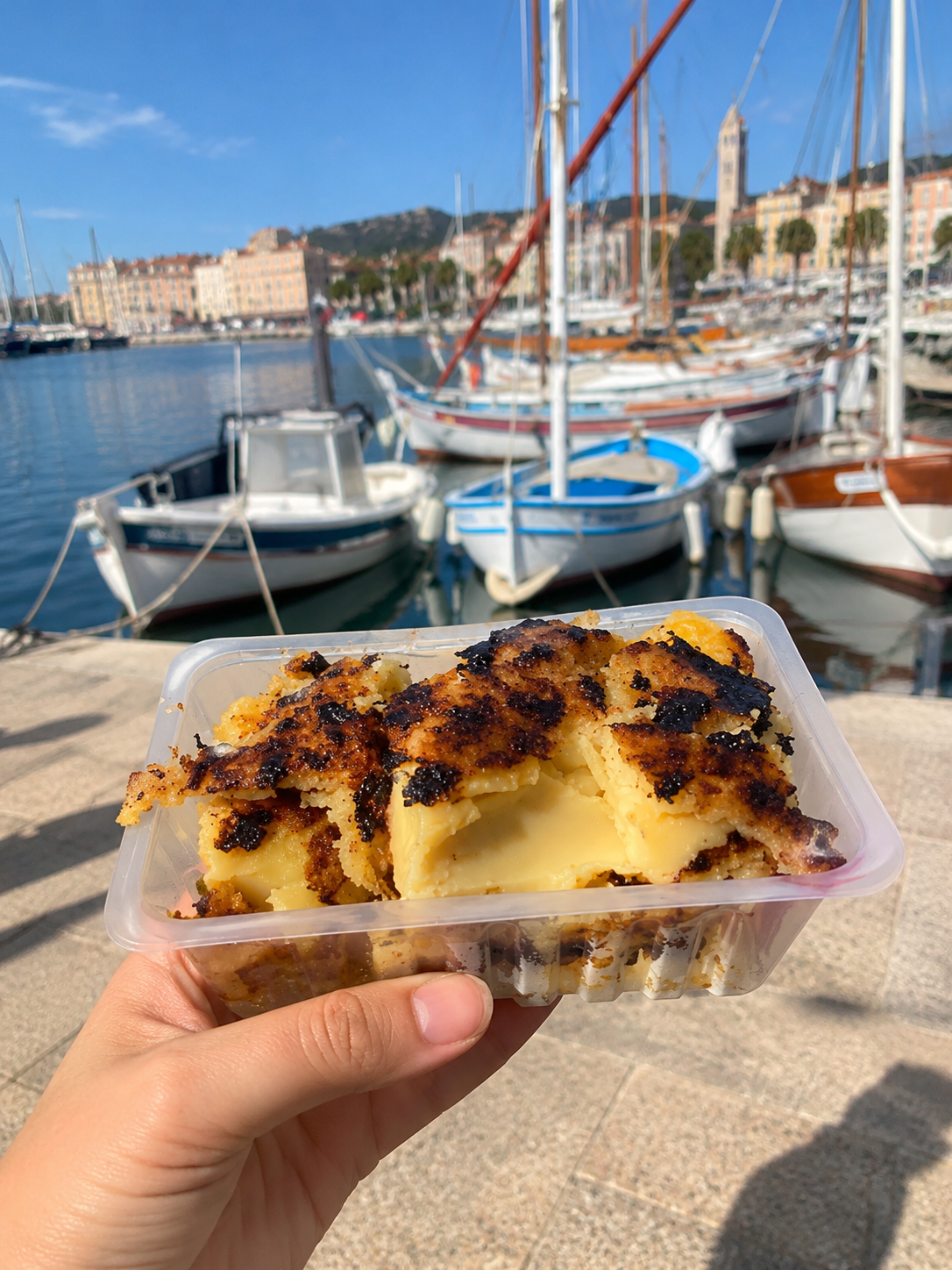
Cade toulonnaise is Toulon's local speciality. It's a thin, savoury pancake made from chickpea flour, water, olive oil and salt, cooked in a large round tray and served hot with plenty of pepper. You'll sometimes see it compared with socca from Nice, but in Toulon we call it cade. Get yourself a portion from the market and eat it while wandering around. For me, that's one of the most authentic things you can do in Toulon.
Wander through the old town
I particularly want to talk about this one because Toulon’s old town has changed so much since I was younger. When I was in high school, parts of the historic centre were quite run-down. Beautiful buildings and charming streets, but it hadn’t really reached its potential.
Today, it’s absolutely lovely. You’ll find narrow streets, colourful facades, independent shops, art galleries, cafes and little squares where you can stop for a drink. It’s become a genuinely enjoyable place to spend an afternoon.
- Start around Place Puget, a charming square known for its unusual vegetation-covered fountain.
- Wander through to Toulon Cathedral, Cathédrale Notre-Dame-de-la-Seds.
- Explore the area around Rue Pierre Semard, which has become known for its creative businesses and galleries.
- Don’t follow a strict itinerary. Part of the pleasure is simply exploring.
If you’re visiting Toulon as part of a scouting trip before moving to France, sit at a cafe, watch people going about their day and imagine what it would be like to have this as part of your everyday routine.
The Mourillon beaches
One of the best things about Toulon is that you can live in a proper city and still have the beach on your doorstep. The best-known beaches are those of Le Mourillon, a neighbourhood on the eastern side of the city with a series of sandy beaches and a lovely waterfront area.
But there’s much more to Le Mourillon than just the sand. You have restaurants and bars, green spaces, playgrounds, walking paths and plenty of places to sit and enjoy the sea. It’s the kind of place where you can spend an entire afternoon without needing much of a plan. The area gets busy in June, July and August, but outside peak season it’s a wonderful place for a walk or a quiet afternoon by the sea.
Anse Méjean and Anse Magaud
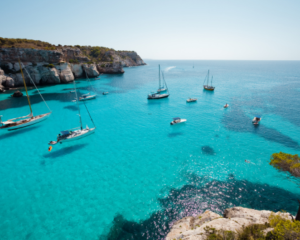
If you prefer smaller, more intimate beaches, these two coves are worth the effort. Located on the eastern side of Toulon, they offer clear Mediterranean water, rocky surroundings and a much more secluded atmosphere than the main Mourillon beaches.
Anse Méjean is particularly picturesque, with its little waterfront buildings and fishing-village feel. Anse Magaud is another lovely spot, surrounded by natural scenery. They’re beautiful places for swimming, snorkelling or simply sitting by the water.
Walk along the harbour
Toulon’s harbour is a huge part of the city’s identity, and one of the first places I’d suggest exploring when you arrive. The waterfront is lined with cafes and restaurants, there’s always something to look at and the naval presence makes it quite unlike anywhere else on the Mediterranean coast.
Toulon is one of France’s major military naval bases, and the French Navy has been central to the city’s history for centuries. You can see naval vessels in the harbour from the public waterfront areas, though the military zone itself is restricted. It’s an unusual contrast: a lively Mediterranean harbour alongside one of the country’s most important naval installations.
Toulon has a public boat service, the bateau-bus, which is part of the Réseau Mistral local transport network. You can use it to travel across the bay towards La Seyne-sur-Mer and Les Sablettes. It's a lovely way to see the bay from the water without booking a tourist cruise, and because it's part of the public transport network, it's genuinely used by local residents every day.
Les Halles de Toulon
One of Toulon’s newer food destinations, Les Halles de Toulon (also known as Les Halles Biltoki) has brought new life to a beautiful old market building in the historic centre. It’s a great place for lunch, particularly if you’re visiting with people who all fancy something different. Food traders offer a variety of dishes and products, with plenty of seating.
It’s a different experience from Cours Lafayette. The outdoor market is for that traditional Provençal atmosphere with fresh produce and local stallholders. Les Halles is more of a food destination, somewhere to meet friends for an informal lunch. If you’re spending the morning in the old town, it’s a very convenient place to stop.
Musée National de la Marine
You can’t really understand Toulon’s history without understanding the importance of the French Navy. And one of the best places to learn more is the Musée National de la Marine, located near the entrance to the naval base in the city centre.
The museum explores Toulon’s maritime and naval history through ship models, historical objects, artwork and exhibitions. Even if you’re not particularly interested in military history, I think it’s worth visiting to understand how the city developed. The naval base has shaped Toulon’s economy, architecture and identity for generations. It’s also one of the reasons why Toulon feels different from more tourist-oriented towns along the Mediterranean coast.
The Opera House and Place de la Liberté
Toulon isn’t only about beaches and the harbour. There are some beautiful architectural spots in the city centre that reward a slower pace.
The Opéra de Toulon is an impressive 19th-century building, and the square in front of it is a lovely place to stop. Find yourself a table, order a coffee and do some people-watching. It’s one of those simple French pleasures that people sometimes rush past.
From there, head towards Place de la Liberté, one of Toulon’s main squares. The Fontaine de la Fédération sits surrounded by elegant 19th-century buildings along Boulevard de Strasbourg. With its grand facades and busy urban atmosphere, it’s quite different from the intimate streets of the old town. Exploring both areas gives you a much fuller picture of the city.
Walk the coastline around Cap Brun
Located to the east of central Toulon, Cap Brun is known for its coastal scenery, pine trees, rocky shoreline and beautiful views over the Mediterranean. It’s a lovely contrast to the busier city centre, and the combination of pine trees, rock and blue sea feels very distinctly Mediterranean.
Depending on the route you choose, you can explore coastal paths and discover smaller coves along the way. It’s the sort of place where you’ll want to stop regularly just to admire the view.
Tour Royale and the surrounding coastline
The Tour Royale is a historic fortification overlooking the entrance to Toulon’s harbour, dating back to the early 16th century. It’s a reminder of just how strategically important this harbour has been throughout French history. Even if you don’t visit the interior, the surrounding coastal area is worth exploring for its views over the water and harbour entrance.
It sits close to Le Mourillon, so it’s easy to include in a day exploring that part of the city. Do check whether the monument itself is open to visitors before you go, as access can vary.
Rugby at Stade Mayol
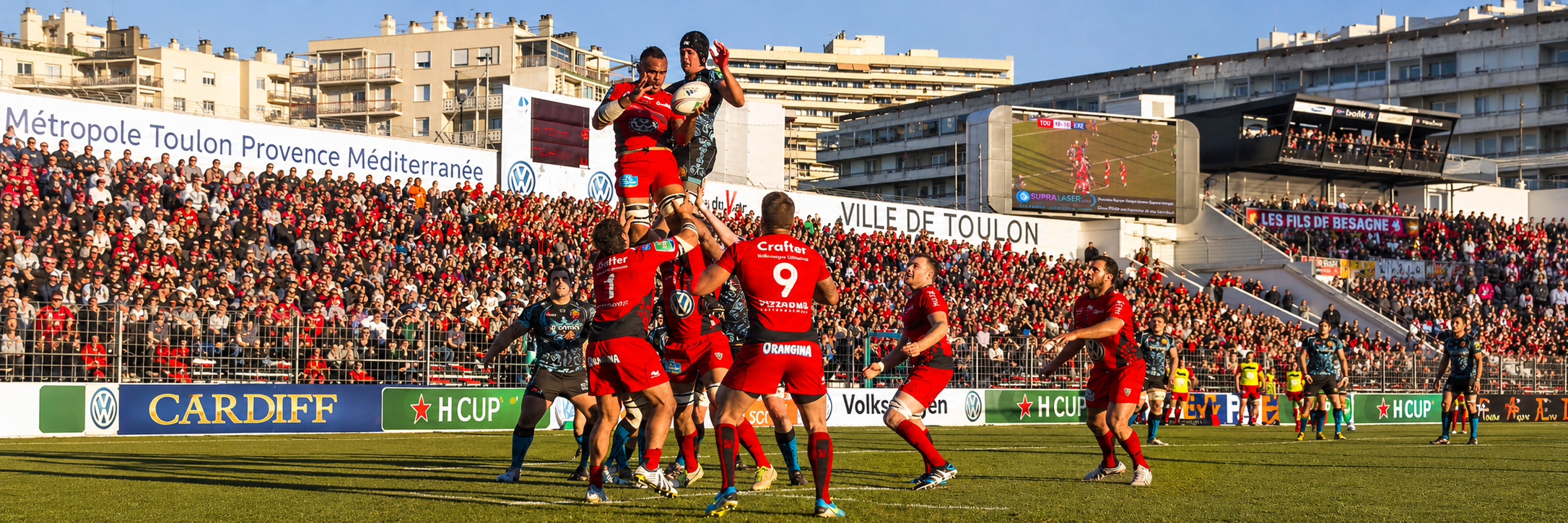
If there’s one sport that’s central to Toulon’s identity, it’s rugby. Rugby Club Toulonnais (RCT) is a huge part of what makes this city tick, and if you happen to be in Toulon when there’s a home match at Stade Mayol, I’d really recommend going. Even if you’re not a rugby fan.
The atmosphere can be brilliant. Toulon supporters are passionate, and match days bring a real energy to the city. Stade Mayol is unusually central, close to the harbour, so you’re not travelling miles out of town. It’s another example of why Toulon has such a strong local identity beyond the usual Mediterranean holiday attractions.
Rue des Arts and the creative quarter
If you enjoy independent shops, galleries and creative spaces, spend some time in the Rue des Arts area, centred around Rue Pierre Semard and neighbouring streets. It’s part of the broader regeneration of the historic centre and has a genuinely creative, inviting atmosphere.
When I was growing up, the old town wasn’t somewhere I’d have recommended spending an entire afternoon. Today, there are parts of it that feel lively and interesting in a way they simply didn’t before. Wander without too much of a plan. You might discover a gallery, a beautiful shop or a cafe you’d have walked straight past.
Boat trip to the Îles d'Hyères
One of the great advantages of basing yourself in Toulon is how much you can explore nearby. If you have more than a couple of days, I’d strongly suggest a day trip to one of the Îles d’Hyères.
Porquerolles is the most popular island, famous for its beautiful beaches, turquoise water and cycling routes. Hire a bicycle and spend the day exploring, with stops at beaches like Plage Notre-Dame. Port-Cros is wilder and more mountainous, part of a protected national park, ideal for hiking, nature and snorkelling. The Île du Levant is a more unusual destination, partly military, partly known for its naturist community at Héliopolis. Worth researching before you book.
Toulon's art museums
If you enjoy art and culture, Toulon has several museums and exhibition spaces worth discovering. They’re particularly useful outside summer months or as a break from the beach.
The Musée d’Art de Toulon (MAT) is housed in an impressive historic building, with collections and exhibitions including fine art and photography. There’s also a tradition of photographic exhibitions in the city. Check current cultural listings before visiting, as programmes change.
Toulon’s cultural scene deserves more attention. It may not have the same international reputation as Nice or Marseille, but there’s plenty to discover if you take the time.
Could you actually live in Toulon?
This is the question I find particularly interesting, especially as we’re seeing more international clients considering Toulon and the surrounding Var region.
When you’re visiting on holiday, it’s easy to focus on the sunshine, beaches and restaurants. But if you’re thinking about moving there, I’d encourage you to look at the city differently. What would your everyday routine look like? Would you prefer to live near the beaches in Le Mourillon, in the historic centre where you can walk to shops and cafes, or somewhere quieter on the outskirts?
One of Toulon’s real advantages is that you get a genuine city with year-round services, amenities and a strong local identity, while still being close to the Mediterranean, the mountains and some of the most beautiful coastline in France.
Thinking about moving to the South of France?
At Ibanista, we help international clients navigate the practical side of relocating to France, from finding and securing a long-term rental to understanding what everyday life actually looks like in different parts of the country. Whether Toulon is on your shortlist or you're still exploring options, we can help you plan your next steps.
Find out more about our rental serviceFAQs: Visiting Toulon, France
Toulon is particularly known for its important French naval base, Mediterranean harbour, Mont Faron, the rugby club RCT and its beautiful coastline. It's also home to traditional Provençal markets and local specialities such as cade.
Yes. Toulon offers a combination of beaches, mountains, historic streets, museums and local Provençal culture. It's a particularly interesting destination if you want to experience a Mediterranean city that isn't focused entirely on tourism.
The Mourillon beaches are the best-known urban beaches in Toulon, with sandy stretches and a waterfront with restaurants and cafes. For something more secluded, Anse Méjean and Anse Magaud are beautiful smaller coves with clear Mediterranean water on the eastern side of the city.
Two to three days is a good starting point for exploring the main attractions. If you want to visit nearby islands such as Porquerolles or explore the surrounding Var coastline, consider staying longer.
Yes. Central Toulon is relatively easy to explore on foot, and the Réseau Mistral provides bus and bateau-bus services. However, a car is useful for reaching certain coves and destinations outside the city centre.
One of Toulon's most distinctive local specialities is cade toulonnaise, a savoury chickpea-flour pancake traditionally served hot. Cours Lafayette market is a great place to try it alongside fresh Provençal produce.
Yes, but you'll generally need to travel to a ferry departure point in the Hyères area rather than taking a boat directly from central Toulon. Ferry services vary by season, so check schedules before planning your trip.
Toulon can appeal to people looking for Mediterranean weather, beaches, outdoor activities and the amenities of a year-round city. Neighbourhoods vary, so it's worth visiting different areas and thinking about transport, housing and lifestyle before deciding to relocate.
Cade is a traditional Toulon speciality: a thin, savoury pancake made from chickpea flour, water, olive oil and salt, cooked in a large round tray and served hot with pepper. It's related to the socca found in Nice but is specific to Toulon and the surrounding area.
Planning a move to France or just thinking about it?
Book a free 15-minute consultation to discuss your move and the support available from Ibanista. 👉 Schedule your call here
Not ready for a call? No problem. Explore our free resources to learn at your own pace:
📚 Browse the blog for expert tips
🎧 Listen to our podcast for real stories and insights
Wherever you are in your France journey, we’re here to help.