Nantes often flies under the radar for people moving to France, and that’s exactly why many expats love it. It’s a liveable, well-connected city with strong job prospects, a creative cultural scene, and much lower costs than Paris, all while being close to the Atlantic coast.
If you’re looking for a French city that feels modern, human-scale, and realistic for long-term life, Nantes deserves serious consideration.
Table of Contents
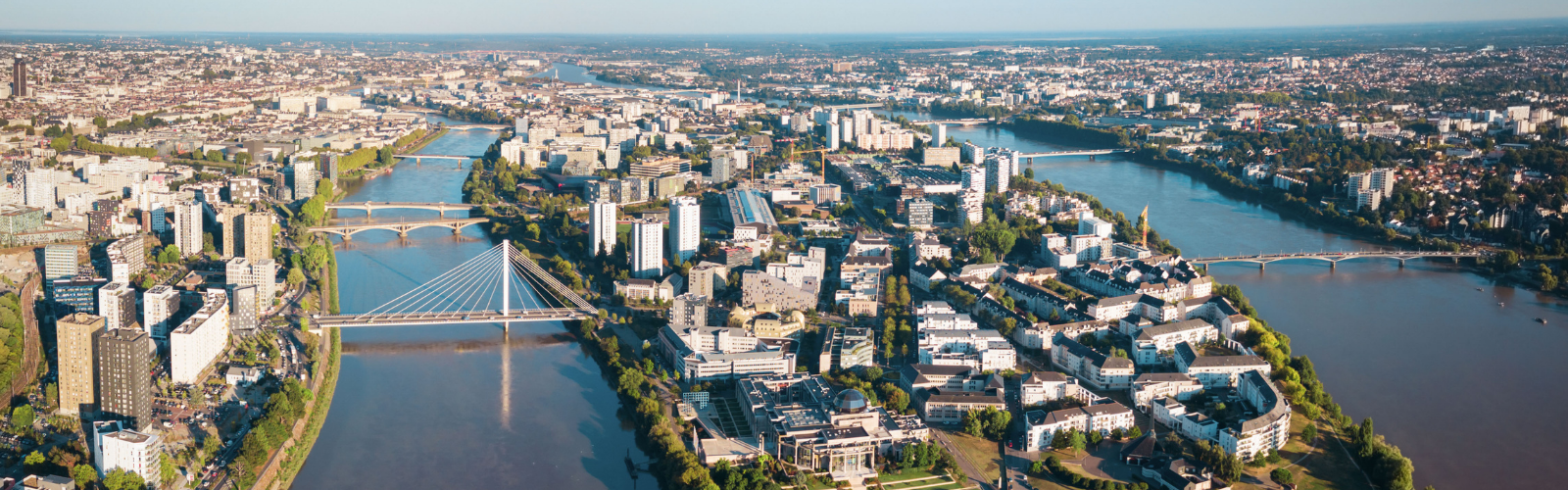
Why live in Nantes?
Nantes consistently ranks among the best cities in France for quality of life. It offers:
- A strong local economy without Paris-level pressure
- Excellent public transport and walkability
- Access to nature (Loire, Erdre, Atlantic coast)
- A younger, more relaxed atmosphere than many large French cities
- Housing prices that remain reasonable by French standards
For expats, retirees, families, and remote workers alike, Nantes strikes a rare balance between urban energy and everyday calm.
Best neighbourhoods to live in Nantes
Centre-Ville (City Centre)
The centre-ville is still the most popular place to live in Nantes, and for good reason.
It’s the cultural and historical heart of the city, with preserved façades, pedestrian streets, museums, and landmarks such as the Château des Ducs de Bretagne and the Jardin des Plantes. Despite being central and lively, the area remains calm thanks to 30 km/h speed limits and limited car traffic.
Daily life is easy here. Shops, restaurants, markets, healthcare, schools, and transport are all within walking distance. You can live comfortably without a car, relying on trams, buses, and bikes.
For expats who want convenience and a classic French city feel, the centre-ville is often the easiest place to settle and rents remain more accessible than in comparable central districts in Paris, Lyon, or Bordeaux.
Bouffay
Bouffay is one of Nantes’ most vibrant and energetic districts.
Located in the historic core, it blends medieval architecture with Haussmann-style buildings, lively squares, and narrow streets packed with cafés, bars, and restaurants. It’s particularly popular with young professionals, students, and newcomers who want to be at the centre of city life.
Shopping and food are major highlights here, from local specialities like rigolettes nantaises to independent boutiques and bakeries.
Security has improved significantly over the last decade thanks to increased local measures, but Bouffay is still best suited to singles or couples rather than families with young children, especially if you’re looking for quiet evenings.
Les Olivettes
Les Olivettes is one of Nantes’ most interesting up-and-coming neighbourhoods.
Formerly industrial, it has undergone a thoughtful transformation over recent years. Old warehouses have become creative spaces, offices, and small businesses, including the redeveloped Halle de la Madeleine, now a hub for entrepreneurs.
The streets are increasingly pedestrian-friendly, lined with small shops and cafés, and the overall atmosphere is calmer than Bouffay while still central. Safety has improved noticeably, and the area appeals to families, professionals, and people who want a modern neighbourhood without losing character.
It’s also very bike-friendly, making it easy to explore the city without relying on public transport.
Nantes Erdre
If you’re looking for greenery and space, Nantes Erdre is worth serious attention.
Located along the river Erdre, this area feels more residential and relaxed, with parks, riverside paths, and a slower pace of life. It’s particularly attractive to families, students, and retirees who want comfort without leaving the city entirely.
Several higher-education campuses are nearby, including Oniris and Polytech Nantes, which explains the strong student presence. While some pockets near the river have had security concerns in the past, local investment has improved the situation in recent years.
From a budget perspective, Nantes Erdre remains one of the more affordable areas of the city, especially for larger properties.
Cost of living in Nantes
Nantes offers excellent value for money compared with other major French cities.
Housing and property prices
- Average property price: ~3,548 €/m²
- Apartments: ~3,412 €/m²
- Houses: ~4,064 €/m²
- Average rent: ~14 €/m²
- Furnished apartment: ~692 € / month
Living in Nantes is typically 20-30% cheaper than living in Paris overall, with housing being the biggest difference. In Nantes, many expats find they can afford larger apartments, better locations, or a higher quality of life on the same budget.
Getting around Nantes
One of Nantes’ biggest strengths is how easy it is to get around.
With a single transport pass, you can use buses, trams, river shuttles, and regional trains across the entire metropolitan area.
Public transport includes:
- 3 tram lines
- 1 Busway + 1 e-Busway
- 9 Chronobus lines
- 45 bus routes
- 3 Navibus river lines
- Airport shuttle
Monthly transport passes
- 64 € / month (26+ years)
- 35 € / month (60+ years)
Trains and airport
- Gare de Nantes (TGV): Paris in just 2h30
- Nantes Atlantique Airport: International airport located 8 km southwest of the city, with European connections
This makes Nantes ideal for people who want strong links to Paris, Europe, and the UK without living in the capital.
Lifestyle in Nantes
Life in Nantes blends urban creativity with easy access to nature.
The city is known for innovation and culture, particularly around the Île de Nantes redevelopment and iconic attractions like Les Machines de l’Île. Street art, music venues, and alternative cultural spaces give the city a youthful, forward-looking energy.
Outdoor life is a big part of daily routine. Residents run or cycle along the Loire and Erdre, kayak on the river, or head to the Atlantic coast on weekends. The former fishing village of Trentemoult, with its colourful houses and bohemian feel, is just a short Navibus ride away.
Food culture is strong too. The Talensac market is a local institution, and neighbourhood cafés and restaurants encourage a real sense of community.
Expat community in Nantes
Nantes is home to an estimated 30,000 expats, including professionals, students, families, and retirees.
There’s an active international scene, and newcomers often connect through local networks such as:
Facebook group: Expats / Foreigners in Nantes, Saint-Nazaire, La Baule, Guérande
While Nantes feels very French, in a good way, it’s also welcoming and accessible for foreigners building a long-term life.
FAQ: Living in Nantes
Is Nantes a good city for expats?
Yes. Nantes is affordable, well-connected, and easier to integrate into than Paris, while still offering jobs, culture, and international links.
Do you need a car to live in Nantes?
No. Most residents rely on public transport, bikes, or walking. A car is optional rather than necessary.
Is Nantes good for families?
Very much so. Green spaces, schools, calmer neighbourhoods, and reasonable housing costs make it popular with families.
How does Nantes compare to Paris?
Nantes is cheaper, calmer, and more liveable day-to-day, while still offering strong transport links and cultural life.
Still deciding where to move?
Explore our other city deep-dives to compare neighbourhoods, housing costs and expat life across France.
Final notes
Living in Nantes means choosing balance over intensity. It’s a city where daily life feels manageable, connected, and human, without giving up culture, opportunity, or ambition.
For expats looking to build a sustainable life in France rather than chase a postcard version of it, Nantes is often one of the smartest, and happiest, choices you can make.
Planning a move to France or just thinking about it?
Book a free 15-minute consultation to discuss your move and the support available from Ibanista. 👉 Schedule your call here
Not ready for a call? No problem. Explore our free resources to learn at your own pace:
📚 Browse the blog for expert tips
🎧 Listen to our podcast for real stories and insights
Wherever you are in your France journey, we’re here to help.